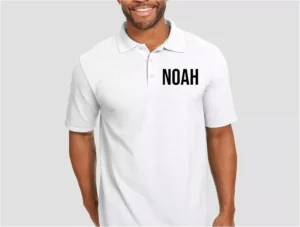
Iron-On Letters: Complete HTV Application Guide for Fabric & Clothing
Iron-On Letters: Complete Guide to Heat Transfer Vinyl Application Iron-on letters transform plain clothing and fabric items into personalized creations
 Skip to content
Denim fabric is a strong cotton twill textile best known for making jeans, jackets, and durable clothing. The fabric is woven using a twill weave structure where indigo-dyed warp threads cross undyed weft threads, creating the classic blue denim appearance. For decades, denim fabric was commonly sold by the yard in the apparel fabric department at JOANN Fabrics stores, alongside cotton canvas, muslin fabric, and other bottom weight materials. Denim is one of the most durable materials found in the Fabric Department for sewing projects.
As many JOANN locations reduced inventory or closed, sewists now often search online for denim fabric alternatives. This guide explains what denim fabric is, the different types available, how to choose the right weight for sewing, price ranges, project ideas, and where to buy denim fabric today. By the end, you’ll understand how denim behaves as a textile and how to sew it successfully.
Denim fabric is a cotton twill fabric woven on a loom using a diagonal rib pattern. The twill weave gives denim its strength and abrasion resistance, making it ideal for clothing that experiences heavy wear. Traditional denim uses indigo dye on the warp threads, which allows the fabric to fade gradually with washing and use.
Modern denim may include polyester blends, elastane fibers, lyocell or linen fabric to improve flexibility, softness, or breathability. Fabric mills produce denim in different weights measured in ounces per square yard, which determines whether the fabric is suitable for garments, bags, or upholstery. Because of its durability and recognizable appearance, denim remains one of the most widely used textiles in sewing and apparel manufacturing.

Denim fabric is used in both clothing and home-sewing projects because of its strength and structured feel. Its durability makes it especially useful for items that need to last a long time.
Common uses include:
Heavyweight denim is ideal for workwear and bags, while lightweight denim works better for clothing that requires more flexibility and breathability.
Different denim types are defined by fiber content, weave structure, and fabric weight. Understanding these differences helps you choose the right material for your project.
| Type | Thickness | Best Use |
|---|---|---|
| Lightweight denim | 4–6 oz | Shirts, dresses |
| Medium denim | 7–10 oz | Jackets, skirts |
| Heavyweight denim | 11–16 oz | Jeans, bags |
| Stretch denim | Medium | Clothing |
| Selvedge denim | Heavy | Premium garments |
Selvedge denim is woven on traditional shuttle looms and has a finished edge that prevents fraying. Stretch denim includes elastane, making garments more comfortable. Raw denim has not been prewashed and fades naturally over time, while chambray is a lighter fabric sometimes mistaken for denim but woven differently.

Denim fabric feels thick and sturdy when new, especially heavyweight varieties used for jeans or workwear. The twill weave creates a slightly textured surface that becomes softer after washing. This process, sometimes called garment washing or fabric finishing, reduces stiffness and improves comfort.
Lightweight denim feels more flexible and breathable, while stretch denim has added elasticity from elastane fibers. Over time, denim develops fading and softens through wear, which is part of its appeal. This balance between structure and comfort is what makes denim such a versatile sewing material.
Choosing denim fabric depends mostly on fabric weight, fiber content, and the type of project you’re making. Lightweight denim is easier to sew and works well for clothing, while heavyweight denim provides durability for jeans and bags.
Stretch denim is helpful for fitted garments because elastane allows movement. Non-stretch denim is better for structured projects. Beginners usually find medium-weight denim easiest to work with because it is strong but still manageable on a home sewing machine.
When shopping online, look for denim described as bottomweight fabric, which indicates it is suitable for clothing like jeans or jackets.
Denim can be thick, so using the right tools makes sewing easier. A strong sewing machine and proper needle prevent skipped stitches or broken thread.
Helpful tips:
These small adjustments make sewing denim much smoother, especially for beginners.
| Project | Difficulty | Yards Needed | Best Denim Type |
|---|---|---|---|
| Tote bag | Beginner | 1–2 yards | Medium denim |
| Jean shorts | Beginner | 1.5–2 yards | Stretch denim |
| Denim jacket | Intermediate | 2–3 yards | Heavyweight denim |
| Patchwork quilt | Intermediate | 4–6 yards | Lightweight denim |
One common mistake is using lightweight thread when sewing thick denim seams. This can cause stitches to break during wear. Another mistake is skipping prewashing, which can lead to shrinkage later.
Beginners also sometimes choose denim that is too heavy for their sewing machine. Using the wrong needle or forcing fabric through the machine can damage both the needle and the textile. Taking time to prepare the fabric properly prevents most problems.
Denim fabric prices vary based on weight, fiber blend, and manufacturing quality. Cotton denim is usually more affordable than selvedge denim made on traditional looms.
| Denim Type | Price per yard | Difficulty |
|---|---|---|
| Lightweight denim | $7–$10 | Easy |
| Stretch denim | $9–$14 | Medium |
| Heavy denim | $12–$18 | Hard |
| Selvedge denim | $18–$30 | Advanced |
Buying denim fabric online often provides better selection than local stores.
Denim is excellent for DIY sewing projects because it is strong and long-lasting. Even small scraps can be reused in creative ways.
Popular project ideas include:
Denim scraps are often reused in quilting because the fabric adds texture and durability to quilt blocks.
| Fabric | Durability | Flexibility | Best Use |
|---|---|---|---|
| Denim | High | Medium | Clothing |
| Cotton canvas | Very high | Low | Bags |
| Muslin | Low | High | Practice sewing |
| Burlap | Medium | Low | Decor |
Denim sits between cotton canvas and lighter fabrics like muslin in terms of flexibility and strength.
JOANN Fabrics traditionally carried denim fabric in the apparel fabric department, often labeled as bottomweight denim. Customers could purchase denim by the yard for clothing and DIY projects. Stretch denim, indigo denim, and lightweight denim were commonly available in stores. Many customers previously searched for local stores using the joann fabrics near me page
As store inventory changed, many sewists began purchasing denim fabric online instead. While JOANN remains associated with sewing supplies and craft materials, denim fabric is now often easier to find through online retailers.
Today, denim fabric is widely available online. Amazon currently offers one of the largest selections of denim fabric by the yard, including beginner-friendly options and heavyweight denim for jeans.
Other options:
Sewing denim requires slightly different machine settings than lighter fabrics. A longer stitch length helps the needle move through thick layers more easily.
Steps:
Denim seams are often reinforced with topstitching to improve strength.

Skipping the prewash is the most common mistake. Cotton denim can shrink up to 5% in the first wash, so if you skip this step your finished garment will come out smaller than expected. Wash and dry it first, then cut.
Using a needle that’s too light is the other big one. It bends or breaks on thick seams and can actually damage your machine. Start every denim project with a fresh denim needle they’re cheap and save you a lot of frustration.
Denim fabric is a durable cotton twill textile woven with indigo-dyed warp threads and undyed weft threads.It was commonly sold by the yard at JOANN for sewing jeans and jackets.
Yes, medium-weight denim is beginner-friendly because it is strong but manageable on a home sewing machine. Use a denim needle and heavy-duty thread to avoid issues. Start with simple projects like tote bags.
Use a denim or jeans needle (size 90/14 or 100/16) for most denim fabric. These needles have a sharp point and strong shaft to penetrate thick layers without breaking.
Denim can shrink 3–5% after the first wash unless pre-shrunk. Always pre-wash in cold water and air dry to minimize shrinkage and color loss.
Yes, lightweight denim works well in quilts for added texture and durability. It is often used in patchwork quilts or quilt backing.
Buy denim fabric online from Amazon, Michaels, or Hobby Lobby. Amazon has the widest selection with fast shipping.
Stretch denim fabric includes elastane fibers for added flexibility and comfort. It is popular for fitted jeans and skirts. JOANN sold stretch denim for clothing projects.
Selvedge denim is woven on traditional shuttle looms and has a self-finished edge that prevents fraying. It is premium and fades beautifully over time. It was less common at JOANN but available in specialty sections.
Yes, medium-weight denim is good for beginners because it is forgiving and hides small mistakes. Use the right needle and sew slowly through thick seams.
Indigo denim fabric uses indigo dye on the warp threads, creating the classic blue color that fades over time. It is the traditional denim used for jeans. Most denim fabric is indigo-dyed.
No, wash denim in cold or warm water to prevent excessive shrinkage and color fading. Hot water can damage the indigo dye and cause more shrinkage.
High-quality denim fabric pills very little. Lower-quality denim may pill over time with heavy use. Wash inside-out and air dry to minimize pilling.
Iron-On Letters: Complete Guide to Heat Transfer Vinyl Application Iron-on letters transform plain clothing and fabric items into personalized creations
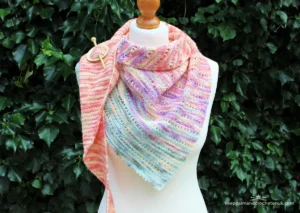
Caron Cake Yarn: Complete Guide to Self-Striping Colors, Patterns & Project Ideas Caron Cake Yarn transformed how crafters approach color

Poplin Fabric at JOANN: Complete Types, Uses & Buying Guide (2026) Poplin is a tightly woven cotton fabric with a