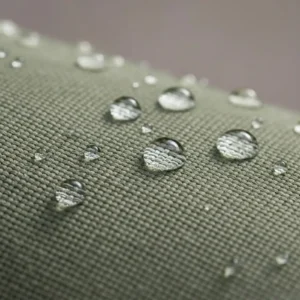
Outdoor Fabric at JOANN: Waterproof & UV-Resistant Fabric Guide (2026)
Outdoor Fabric at JOANN: Waterproof & UV-Resistant Fabric Guide (2026) Outdoor fabric is a performance textile made to handle sun,
 Skip to content
Satin fabric is defined by its weave structure, not its fiber. The satin weave structure uses floating warp yarns that skip over multiple weft threads before interlacing, creating the signature smooth lustrous finish and high sheen surface that makes satin one of the most recognized fabrics in bridal, formal, and decor applications. JOANN Fabrics carried satin fabric by the yard across the formal fabrics section and bridal department, stocking polyester satin fabric, silk satin fabric, stretch satin fabric, duchess satin, and charmeuse satin for garment and decor applications.
After widespread store closures and restructuring in 2025, searches for satin fabric joann and joann fabrics satin moved online. This guide covers every satin type, bridal and formal uses, sewing tips, care, pricing, and where to buy satin fabric by the yard today through the full joann fabrics fabrics collection.
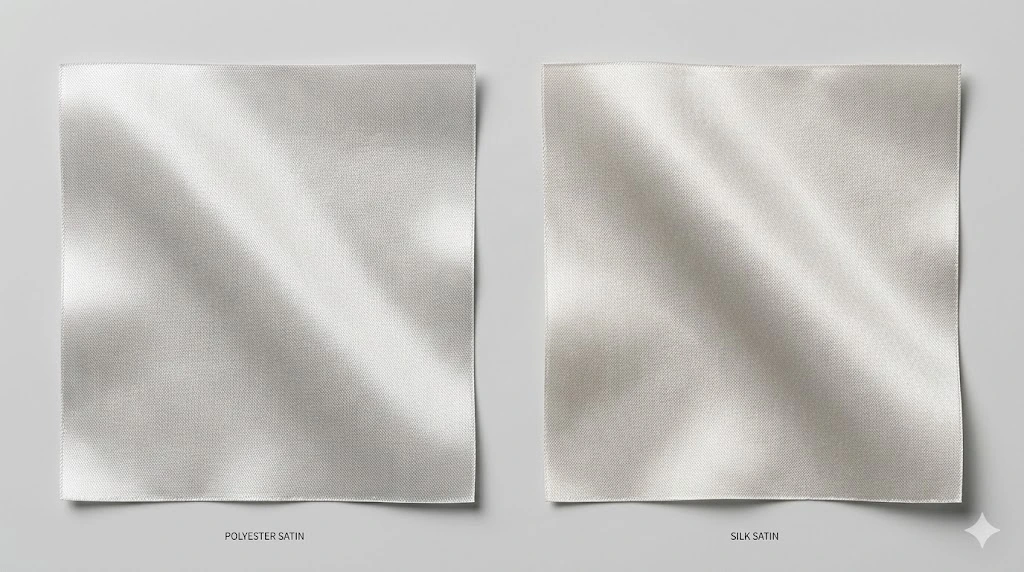
Satin is a weave structure, not a fiber type. This is the single most important thing to understand about satin. Silk satin and polyester satin are both satin they share the same satin weave structure defined by long floating warp yarns that skip over multiple weft threads before interlacing. Those floating yarns are what create the smooth lustrous finish and directional fabric sheen that satin is known for.
Satin weave structures vary by float count 4-harness, 5-harness, and 8-harness satin structures exist, with higher harness counts producing longer floats, smoother surfaces, and more pronounced sheen at the cost of slightly lower durability. Most retail satin including what JOANN stocked is 5-harness construction, which balances sheen and wearability well for garment and decor applications. Most apparel satin is warp-faced satin, meaning the warp yarns dominate the visible surface. The matte back satin the most common retail version has a shiny front face and dull matte reverse, with charmeuse being a lightweight satin weave variation and duchess satin being the heavyweight structured version.
| Specification | Detail |
|---|---|
| Weave type | Satin weave structure |
| Float structure | Long floating warp yarns |
| Harness count | 4, 5, or 8-harness satin |
| Face | Warp-faced in most apparel satin |
| GSM range | 60 to 180 GSM depending on weight |
| Sheen level | High on face, matte on reverse |
| Fray level | Medium to high |
| Snag risk | High — surface floats catch easily |
| Breathability | Low for polyester, moderate for silk |
| Sewing difficulty | Hard |
| Best use | Bridal, formal, decor, lining |
This satin fabric information block covers the core technical properties. The snag-prone surface from floating yarns is the main handling challenge. Seam imprint visibility is also high on satin pressing too hard leaves permanent marks on the smooth surface.
The satin fabric name varies depending on weight, fiber, and construction. Knowing these names prevents confusion when shopping across different fabric retailers.
All of these share the same fundamental satin weave structure the differences are in fiber, weight, and float length variation rather than weave type.
Satin feels smooth, cool, and slippery against the skin. Running your hand across the fabric face feels almost frictionless because the long floating warp yarns create an uninterrupted surface with minimal texture. The directional fabric sheen means the color appears to shift when the fabric changes angle darker from one direction, lighter from another.
Polyester satin feels slightly cooler and stiffer than silk satin. Silk satin fabric feels warmer and more fluid with a natural drape quality that pools and moves differently from polyester. Duchess satin feels firm and structured. Stretch satin fabric adds a gentle give that makes fitted garments more comfortable. Hammered satin feels softer and less slippery than standard versions because the beaten texture breaks up the long float surface slightly.
Satin crosses bridal, formal, decor, and lining categories because its smooth lustrous finish and fabric drape quality work across every application requiring elegance and sheen.
Common uses include:
| Type | Fiber | Weight | Drape | Best Use | Beginner Friendly |
|---|---|---|---|---|---|
| Polyester satin | Polyester | Medium | Moderate | Costumes, decor, formal wear | Yes |
| Silk satin | Silk | Light-medium | Very fluid | High-end bridal, couture | No |
| Charmeuse satin | Silk or polyester | Light | Very soft | Draped gowns, lingerie | Medium |
| Duchess satin | Polyester or silk blend | Heavy | Structured | Bridal gowns, ball skirts | Medium |
| Stretch satin | Polyester-spandex | Medium | Soft | Fitted bodices, dancewear | Yes |
| Acetate satin | Acetate | Light | Fluid | Lining, costume | Medium |
| Double-faced satin | Polyester | Medium | Moderate | Ribbons, reversible garments | Yes |
| Hammered satin | Polyester | Medium | Soft | Evening wear, draped garments | Yes |
Polyester satin is the most widely available and affordable version. It has strong color saturation, consistent sheen, and holds its shape well across a full bolt. JOANN stocked polyester satin as its core satin offering in dozens of colors year-round. It is the most practical choice for costume satin fabric, decor applications, and budget-conscious formal garment construction.
Silk satin fabric is the premium version used in couture bridal and high-end formal construction. It has natural warmth, softer drape quality, and more refined sheen than polyester. Silk satin fabric joann carried was positioned in the high-end bridal section. It is significantly more expensive and more difficult to sew than polyester versions.
Charmeuse is a lightweight satin weave variation with an exceptionally soft drape quality and fluid movement. It is used for draped gowns, wrap dresses, and lingerie where the fabric needs to fall and flow. Lightweight charmeuse is the softest satin type and the most challenging to sew due to its extreme slippery fabric handling behavior.
Duchess satin is a heavyweight satin with more structure and body than standard versions. It is the most common choice for wedding dress satin and satin ball gown skirt construction because it holds shape on its own without heavy underlining. Heavyweight duchess satin sits between 120 and 180 GSM and creates the crisp structured silhouette associated with formal bridal gowns.
Stretch satin adds spandex blend construction with two-way stretch. It is used for fitted bodices, dancewear, and satin mermaid gown fabric where the satin must stretch with the body without distorting the smooth lustrous finish.
Acetate satin is made from acetate fiber a semi-synthetic material derived from wood pulp. It has a more fluid drape than polyester satin and is more breathable than polyester, making it a common choice for satin lining fabric inside tailored jackets and formal garments where comfort against skin matters. Acetate satin is less durable than polyester and requires careful washing most versions are dry clean only.
Bridal satin fabric is a trade term covering duchess satin and heavy polyester satin versions specifically marketed for wedding dress construction. It typically has a higher GSM than standard polyester satin and a more refined matte back. JOANN stocked bridal satin as a distinct product in the joann special occasion fabric and formal fabrics section.

Satin ribbon and satin fabric by the yard are two completely different products that share the same weave structure.
Satin ribbon is a narrow-width decorative trim typically 0.25 inch to 4 inches wide wound on a spool and used for gift wrapping, hair accessories, craft projects, and garment trim details. Joann fabric satin ribbon was sold in the notions and ribbon aisle separately from the fabric cutting counter. Craft ribbons satin fabric joann customers purchased were pre-cut narrow rolls not suitable for garment or large decor construction.
Satin fabric by the yard is sold in standard 54 to 60-inch widths from the cutting counter and is used for garment construction, formal decor, and lining applications. Always buy satin from the cutting counter bolt for any project requiring more than a few inches of width. JOANN carried both products under the satin category but in completely separate areas of the store.
JOANN stocked satin in the widest color range of any formal fabric category with seasonal rotations every spring and fall.
Black satin fabric joann searches represent the single highest-volume color intent group across the entire satin category — covering everything from evening gowns to decor and costume applications. Reviews satin fabric joann customers left consistently mentioned color accuracy and sheen consistency across the bolt as the most important purchase factors.
Most apparel satin is warp-faced, meaning the long floating warp yarns dominate the visible face. This creates the standard smooth lustrous finish on most bridal and formal satin. Weft-faced satin reverses this the weft yarns float on the surface creating a slightly different sheen direction and surface texture. Most retail satin is warp-faced.
Charmeuse uses a different float length variation producing a softer drape with less structural crispness than duchess satin. Double-faced satin has floating yarns on both sides creating sheen on both front and reverse used for ribbons and reversible garments where both sides are visible.
For wedding dress satin and bridal gown fabric, choose duchess satin for structured ball gown and A-line silhouettes, or silk satin for draped and bias cut designs requiring fluid movement. For satin mermaid gown fabric, stretch satin gives the best fit and comfort. For prom dress satin and quinceañera gown satin, polyester satin gives the most affordable full-color range. For satin lining fabric, lightweight acetate satin or charmeuse provides the smoothest interior without adding bulk. For satin table runner and chair sash applications, basic polyester satin is the most cost-effective choice.
| Fabric | Structure | Weight | Drape | Best Use | Sewing Difficulty |
|---|---|---|---|---|---|
| Polyester satin | Satin weave | Medium | Moderate | Formal wear, costumes, decor | Hard |
| Silk satin | Satin weave | Light | Very fluid | High-end bridal, couture | Very hard |
| Charmeuse | Satin weave | Very light | Extremely fluid | Draped gowns, lingerie | Very hard |
| Duchess satin | Satin weave | Heavy | Structured | Bridal gowns, ball skirts | Hard |
| Acetate satin | Satin weave | Light | Fluid | Lining, costume | Medium |
Satin vs silk is a common point of confusion — silk is a fiber, satin is a weave. You can have silk satin, polyester satin, or acetate satin — all use the same satin weave structure. Satin vs charmeuse is a weight and drape comparison — charmeuse is a lighter version of the satin weave with softer more fluid drape quality. For the full organza fabric joann and tulle fabric joann comparison guides see the complete fabrics category.

Satin is one of the most challenging fabrics to sew because of its slippery fabric handling behavior, snag-prone surface, and tendency toward seam puckering on lightweight versions.
Use two parallel rows of the longest straight stitch your machine allows typically 4.0 to 5.0mm and pull both bobbin threads simultaneously and evenly. Never pull from only one end as satin distributes unevenly and creates clumped rather than even gathers. For duchess satin and heavyweight versions, gathering is more controlled because extra fabric weight resists slipping during the process.
Use a straight stitch at 2.0 to 2.5mm for construction seams. A walking foot helps feed slippery layers evenly and significantly reduces fabric shifting while sewing. Always sew a test seam on a scrap before starting any satin project.
Always press satin from the reverse matte back side using a pressing cloth between iron and fabric even on the reverse. Use low heat ironing settings polyester satin melts under high heat instantly. Never use steam directly on satin without a pressing cloth as water spots show permanently on the high sheen surface. Pressing too hard leaves seam imprint visibility through the outer fabric always use a light touch.
Cutting satin in double layers is the most common cutting mistake always cut single layer with pattern weights. Using a standard needle creates visible seam puckering and needle holes that cannot be fixed after sewing. Pressing directly on the satin face without a pressing cloth leaves permanent ironing shine marks that cannot be removed.
No. Satin is not easy to sew. The slippery fabric handling behavior, snag-prone surface, seam puckering tendency, and pressing challenges make it one of the harder fabrics in the formal category. Polyester satin is slightly more forgiving than silk satin or lightweight charmeuse, but all versions require careful handling and proper needle and thread selection. Beginners should practice on polyester satin scraps before cutting into important project fabric.
| Satin Type | Price per Yard | Difficulty Level |
|---|---|---|
| Polyester satin | $3 to $8 | Hard |
| Stretch satin | $5 to $12 | Hard |
| Acetate satin | $5 to $10 | Medium |
| Bridal satin | $6 to $12 | Hard |
| Duchess satin | $8 to $18 | Hard |
| Charmeuse satin | $6 to $15 | Very hard |
| Silk satin | $15 to $45 | Very hard |
Polyester satin was one of JOANN’s most affordable formal fabrics with weekly coupons of 40 to 50 percent off regularly bringing the price satin fabric joann customers paid under $5 per yard. Satin fabric sale events happened most heavily in spring wedding season and October through December for holiday formal wear and event decor. Many customers previously searched joann clearance website to find discounted satin yardage during seasonal markdown periods. The JOANN remnant bins offered short cuts of satin perfect for satin chair sash, pillow covers, and small formal garment details at reduced prices. Online satin fabric joann alternatives are now available through Amazon with free shipping on qualifying orders. Satin fabric joann under $10 searches now resolve primarily to Amazon and Hobby Lobby where basic polyester satin remains affordable year-round.
Costume satin for theater, dance, and performance costume projects in vivid color polyester satin

Satin was one of JOANN’s highest-demand formal fabric categories serving the bridal, formal wear, costume, and event decor markets simultaneously. The joann fabric department organized satin in the formal fabrics section alongside organza, tulle, and lace as part of the complete joann special occasion fabric and wedding fabrics collection. JOANN stocked duchess satin, stretch satin, charmeuse, bridal satin, acetate satin, and standard polyester satin as distinct products covering every weight and application. Weekly JOANN coupons made silk satin and heavyweight duchess versions accessible to home sewers at prices significantly below bridal fabric wholesaler pricing.
| Feature | JOANN Historical | Michaels | Hobby Lobby |
|---|---|---|---|
| Satin fabric by yard | Yes, full range | No — ribbon only | Moderate |
| Silk satin | Yes | No | Rarely |
| Duchess satin | Yes | No | Yes, limited |
| Stretch satin | Yes | No | Limited |
| Charmeuse | Yes | No | Rarely |
| Acetate satin | Yes | No | Rarely |
| Color range | 40-plus colors | Ribbon colors only | Moderate |
| Price per yard | $3 to $45 | N/A | $3 to $20 |
| Coupon culture | 40 to 50% weekly | Occasional | 40% weekly |
| Post-closure access | Amazon | Not applicable | In-store |
Michaels satin fabric is ribbon only no yardage available for garment or decor construction. Hobby Lobby carries basic polyester and duchess satin in a moderate color range but not silk satin, charmeuse, acetate satin, or stretch versions. Amazon now carries the widest online selection.
JOANN organized satin in the bridal and formal fabrics section alongside organza, tulle, and lace as part of its complete special occasion offering. Black satin fabric joann, white satin, and ivory versions occupied the largest bolt space year-round with seasonal fashion colors rotating through the display every spring and fall. The JOANN cutting counter handled satin with care because the snag-prone surface requires careful management to prevent surface damage before construction begins. The casa collection satin fabric joann carried as a house brand was a popular affordable option for costume and decor applications.
Amazon carries the widest current selection by the yard including polyester satin, duchess satin, stretch satin, charmeuse, silk satin, acetate satin, and bridal satin across all colors. Many customers who previously used joann fabrics near me to find satin in stock locally now resolve their search through Amazon with free shipping on qualifying orders. Hobby Lobby carries basic polyester and duchess satin in-store.
| Satin Type | Washing | Drying | Pressing | Storage |
|---|---|---|---|---|
| Polyester satin | Machine wash gentle cool | Air dry flat | Low heat, press cloth | Hang |
| Stretch satin | Machine wash gentle cool | Air dry flat | Low heat, press cloth | Hang |
| Duchess satin | Hand wash cool | Air dry flat | Low heat, press cloth | Hang |
| Acetate satin | Dry clean recommended | Lay flat | Low heat, press cloth | Hang |
| Charmeuse | Hand wash or dry clean | Air dry flat | Dry iron low heat | Hang in garment bag |
| Silk satin | Dry clean only | Lay flat | Professional only | Hang in garment bag |

Satin is a weave structure, not a fiber. The satin weave uses long floating warp yarns to create a smooth lustrous finish available in silk, polyester, acetate, and nylon fibers.
Charmeuse, duchess satin, bridal satin, double-faced satin, hammered satin, and acetate satin are all variations of the same satin weave structure with different fibers, weights, and float length variations
Satin weave, warp-faced construction, 5-harness most common, 60 to 180 GSM, high sheen face, matte reverse, medium to high fray risk, high snag risk, hard to sew, best for bridal and formal applications.
No. Slippery fabric handling, seam puckering tendency, snag-prone surface, and pressing challenges make satin one of the harder fabrics for beginners. Polyester satin is the most forgiving starting point.
Straight stitch at 2.0 to 2.5mm with a fine needle 60/8 or microtex needle and a walking foot to prevent fabric shifting while sewing.
Yes. Medium to high fray tendency at cut edges. French seam finishing is the recommended method for containing raw edges on satin garments.
Polyester satin has low breathability. Acetate satin is slightly more breathable than polyester. Silk satin is the most breathable version. None are suitable for warm weather applications where comfort is a priority.
Yes, with a pressing cloth and low heat only. Direct iron contact on the satin face causes permanent ironing shine marks that cannot be removed.
A lightweight satin weave variation with very fluid drape and soft hand. Used for wrap dresses, draped gowns, and lingerie where the fabric needs to fall and flow rather than hold structure.
A heavyweight satin with body and structure ideal for wedding dress construction and ball gown skirts. Sits between 120 and 180 GSM and holds silhouette shape without heavy underlining.
Satin ribbon is narrow decorative trim sold by the spool for crafts and gift wrapping. Satin fabric by the yard is full-width construction material sold at the cutting counter for garments and decor. JOANN carried both as separate products in separate store sections.
Outdoor Fabric at JOANN: Waterproof & UV-Resistant Fabric Guide (2026) Outdoor fabric is a performance textile made to handle sun,
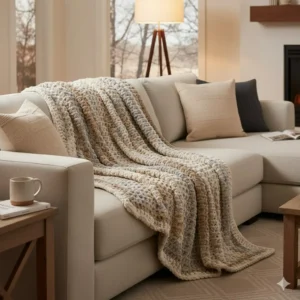
Bernat Blanket Yarn at Joann: Complete Guide to Colors, Projects & Cozy Creations Bernat Blanket Yarn became famous for transforming
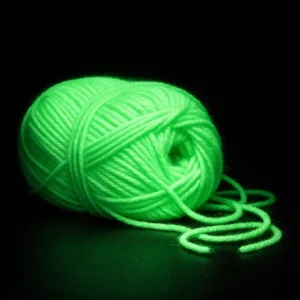
Glow in the Dark Yarn: The Complete Joann’s Style Guide for Crochet, Knitting & Luminous Projects Glow-in-the-dark yarn transforms ordinary