
Bulky Yarn at JOANN: Weight 5 Yarn Types, Brands, Projects and Buying Guide (2026)
Bulky Yarn at JOANN: Weight 5 Yarn Types, Brands, Projects and Buying Guide (2026) Bulky yarn is one of the
 Skip to content
Cardstock is the backbone of paper crafting a heavyweight paper thick enough to hold its shape, take a clean die cut, and survive folding without cracking. It is what greeting cards, scrapbook pages, paper flowers, Cricut projects, and handmade invitations are all built from. If paper crafting is in your life, cardstock is in your supply drawer. JOANN Fabrics carried cardstock across the joann paper crafting department in every weight, finish, size, and color from basic white 8.5 x 11 sheets to 12×12 cardstock packs, glitter cardstock, metallic cardstock, and patterned scrapbook cardstock as part of the complete joann fabrics crafting ecosystem.
After store closures in 2025, searches for cardstock joanns, joanns cardstock paper, and cardstock paper joanns moved online. This guide covers what cardstock is, how the paper weight system works, what sizes JOANN carried, how cardstock works with Cricut machines, what brands were stocked, pricing, and where to buy cardstock now.
Cardstock is a thick, heavyweight paper designed for crafting, printing, and paper construction. It is heavier and stiffer than standard printer paper but lighter and more flexible than cardboard. This middle position is what makes it so useful cardstock is thick enough to hold its shape in a folded card or cut flower petal, but thin enough to feed through a home printer, a Cricut machine, or a paper cutter without jamming.
The term cardstock paper, card stock, and heavy craft paper all refer to the same product. The name comes from its original use as the material for playing cards and business cards stiff paper stock that needed to survive handling without bending or tearing.
Cardstock is different from regular printer paper in one key way: thickness and weight. Standard printer paper is typically 20 lb or 75 gsm. Cardstock starts at 65 lb and goes up to 110 lb and beyond. That extra weight is what gives finished projects their structure, professional look, and durability.

Cardstock covers more craft applications than almost any other single supply. Its combination of thickness, smooth surface, and printability makes it useful across nearly every paper craft category.
Common uses include handmade greeting cards where folded cardstock holds its shape cleanly, scrapbooking paper as base pages and accent layers, paper flower crafts where petals need enough body to curl and hold their shape, Cricut die cutting projects where clean precise cuts require a material that does not tear under blade pressure, handmade invitations for weddings, birthdays, and events, card making paper for layered multi-element cards, paper stencil material when cardstock is cut into reusable stencil shapes, paper embellishments punched into shapes and layered onto layouts, DIY craft projects across school, home decor, and seasonal categories, and printing on cardstock for menus, programs, certificates, and professional documents that need more weight than standard paper.
Yes. Cardstock makes an effective reusable stencil material especially for paint and ink applications. The thickness prevents paint bleed-through better than thin paper and the surface holds up to multiple uses without tearing. For best results use a smooth cardstock rather than textured smooth surfaces seal more cleanly against a project surface and prevent paint from bleeding under the stencil edges. Heavy weight cardstock at 110 lb holds its shape better through repeated stencil use than lighter 65 lb versions.
Understanding paper weight is the most important technical skill for buying cardstock. Two measurement systems are used gsm (grams per square meter) and lb (pound weight). Both measure the same thing in different units.
GSM measures how many grams one square meter of the paper weighs. Higher gsm means thicker, heavier paper. Standard printer paper is 75 to 90 gsm. Cardstock starts at approximately 160 gsm and goes up to 300 gsm for the heaviest craft grades.
LB weight is the American system based on the weight of 500 sheets of paper at a base sheet size. Standard printer paper is 20 lb. Cardstock is typically labeled 65 lb, 80 lb, 100 lb, or 110 lb.
| Paper Type | LB Weight | GSM | Common Use |
|---|---|---|---|
| Standard printer paper | 20 lb | 75 gsm | Home printing, documents |
| Light cardstock | 65 lb | 176 gsm | Lightweight cards, Cricut cutting |
| Medium cardstock | 80 lb | 216 gsm | Greeting cards, scrapbooking |
| Heavy cardstock | 100 lb | 270 gsm | Invitations, premium cards |
| Extra heavy cardstock | 110 lb | 300 gsm | Business cards, premium printing |
Most craft cardstock sold at JOANN was in the 65 lb to 110 lb range. The sweet spot for most paper crafting and Cricut cutting is 65 lb to 80 lb cardstock thick enough to hold structure, light enough to cut cleanly without blade drag. For printing on cardstock at home, 65 lb to 80 lb feeds through most inkjet and laser printers without paper path jams. Heavier 110 lb cardstock requires checking your printer’s maximum media weight specification before feeding through
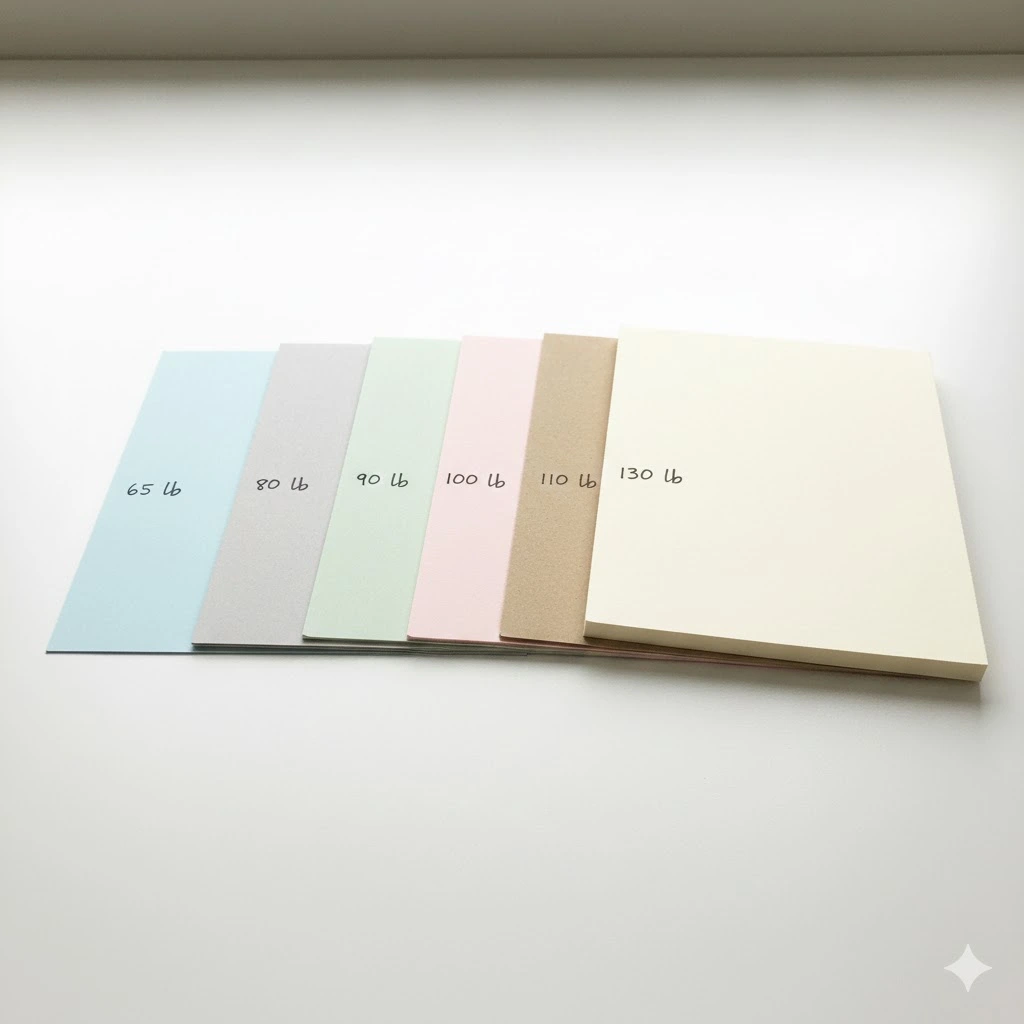
JOANN stocked cardstock in several standard sizes covering the full range of craft and printing needs. Understanding the size system helps you buy correctly for your project the first time.
12×12 cardstock is the standard scrapbooking size a 12 inch square sheet that fits standard 12×12 scrapbook albums and scrapbook paper protectors. It is larger than letter size and gives scrapbook layouts enough room for photos, journaling, and embellishments without feeling cramped. JOANN stocked joanns cardstock 12×12 in solid colors, patterned designs, and specialty finishes including glitter and metallic as part of the scrapbook paper section. The 12×12 format was the most commonly searched cardstock size in the joann craft paper aisle because scrapbooking was one of the highest-traffic paper crafting categories.
Letter size 8.5 x 11 cardstock is the standard printing format the same dimensions as a standard sheet of printer paper. This is the correct size for home printing projects including invitation templates, menu cards, certificates, and any design that will be printed from a home inkjet or laser printer. JOANN stocked 8.5 x 11 cardstock in solid colors and specialty finishes for both crafting and printing use. This format works directly in most standard home printers without trimming.
5×7 cardstock is the standard greeting card size matching the most common card envelope size. Pre-cut 5×7 cardstock sheets eliminate the need to cut down larger sheets for card making. JOANN stocked 5×7 pre-cut cardstock alongside matching envelopes in the card making supplies section.
JOANN also carried cardstock in smaller accent sizes for card making embellishments, die cut blanks, and tag shapes. Large format cardstock was available for banner and signage projects. Cardstock paper packs often combined multiple sizes within a single pack for crafters who needed variety across a project.
Not all cardstock feels or performs the same. Surface finish, texture, and construction change the result significantly across different craft applications.
Smooth cardstock has a flat, even surface with no texture. It is the most versatile finish ink from printers, stamps, and markers sits cleanly on the surface without bleeding into texture grain. Smooth cardstock is the correct choice for Cricut cutting projects, printed invitations, and any project where crisp line detail matters. Most standard colored cardstock packs at JOANN used a smooth finish for this reason.
Textured cardstock has a visible surface pattern most commonly linen texture, felt texture, or ribbed texture that gives finished projects a premium handmade look. Ink from stamps and printers sits differently on textured surfaces, creating a more organic effect. Textured cardstock adds visual and tactile interest to scrapbook layouts and greeting cards. It does not cut as cleanly as smooth cardstock on Cricut machines always test before committing to a large textured cut project.
Glitter cardstock has glitter particles bonded to the paper surface giving a sparkle effect without loose glitter shedding across the project. Glitter cardstock joanns customers specifically searched for this product by name for holiday projects, party decorations, and festive paper crafts. It adds immediate visual impact to any project. The glitter surface is slightly rough which affects how cleanly it cuts on Cricut and die cutting machines use a fresh blade and slightly slower speed settings for best results.
Metallic cardstock has a foil-like reflective surface finish in gold, silver, copper, or rose gold tones. It creates a premium polished look for invitations, celebration projects, and high-end card making. Like glitter cardstock, the metallic surface requires slightly adjusted cutting machine settings for clean results.
Patterned cardstock also called scrapbook cardstock or designer cardstock has printed patterns on the surface including florals, geometric designs, seasonal motifs, and coordinate prints. It is the primary material for scrapbook page backgrounds and decorative layering. JOANN stocked patterned cardstock in single sheets and coordinated packs where every sheet in the pack was designed to work together across a project.
Kraft cardstock has a natural brown paper surface the same material as kraft paper bags. It gives projects a rustic, natural aesthetic and is popular for handmade packaging, gift tags, and earthy-toned craft projects. It takes rubber stamp ink well and pairs with natural twine, dried botanicals, and other organic craft elements.
Beyond the standard surface types, JOANN stocked several specialty cardstock finishes that serve specific craft purposes. Each finish changes how the paper looks, feels, and performs on Cricut machines and in hand-crafted projects.
Linen cardstock has a fine woven texture pressed into the paper surface during production replicating the appearance of linen fabric. It is one of the most popular textured finishes for greeting cards and formal invitations because it gives a premium, tactile quality that smooth cardstock cannot match. Linen cardstock takes rubber stamp ink well and pairs naturally with embossed designs.
Vellum cardstock is a translucent heavyweight paper semi-transparent rather than fully opaque. It creates a soft layered effect when placed over patterned paper or photos, diffusing the colors beneath it. Vellum is used in scrapbook layouts as an overlay, in card making as a window layer, and in invitation design for outer envelope liners. It requires different adhesive handling than standard cardstock because most glues show through the translucent surface.
Pearlescent cardstock has a subtle iridescent sheen on the surface shifting slightly in color depending on viewing angle, similar to a pearl’s surface. It gives finished projects a soft elegant look without the hard sparkle of glitter or the flat shine of metallic. Pearlescent cardstock is popular for wedding stationery, baby shower projects, and premium greeting cards where a refined finish is needed.
Double sided cardstock has different colors or patterns printed on each side of the sheet. This gives crafters two usable surfaces from a single sheet maximizing value and allowing reversible projects. Double sided patterned cardstock was popular in the joann scrapbook section because it effectively doubled the design options per sheet for scrapbook layouts and card making layers.
Embossed cardstock has a raised three-dimensional texture pressed into the paper surface during production. Common emboss patterns include damask, dots, chevron, and floral repeat designs. The raised texture adds dimension and visual interest to card fronts and scrapbook accent layers without requiring additional embellishment. Embossed cardstock was stocked alongside textured options in the JOANN paper crafting department as a premium surface finish option.
Cricut machines and cardstock are one of the most popular combinations in paper crafting. Understanding how cardstock behaves on a Cricut prevents the most common cutting failures.
The best cardstock for Cricut machines is 65 lb to 80 lb smooth cardstock. This weight range cuts cleanly without tearing or blade drag. Heavier cardstock 100 lb and above can be cut on a Cricut Maker with the right blade but may require multiple passes. Standard 65 lb smooth cardstock is the workhorse of Cricut paper crafting and what JOANN stocked most heavily in the paper crafting department.
Cricut also sells their own branded cardstock Cricut cardstock packs are specifically sized, tested, and pre-matched to Cricut machine settings for guaranteed cutting performance. Cricut brand cardstock packs are available in 12×12 sheets in solid color assortments, specialty finishes, and coordinated collections through the Cricut paper brand lineup. These are engineered to eliminate the guesswork of testing third-party cardstock on a Cricut machine, making them particularly useful for beginners.
Cricut machine compatibility by model:
Cricut Joy cuts lightweight cardstock up to 65 lb in the smaller Joy-compatible mat format; limited to narrower sheet widths than full-size models
The recommended Cricut cardstock gsm range is 160 gsm to 216 gsm corresponding to approximately 65 lb to 80 lb cardstock. Within this range the standard Cricut Fine Point blade cuts cleanly in one pass with the Light Cardstock or Cardstock setting in Cricut Design Space. Going above 270 gsm (100 lb) requires the Cricut Maker’s Knife Blade or Deep Point Blade rather than the standard fine point.
For smooth cardstock at 65 lb to 80 lb use the Cardstock setting in Cricut Design Space. For glitter cardstock use the Glitter Cardstock setting with slightly more pressure than smooth. For textured cardstock use Cardstock setting and test on a small piece first. For metallic cardstock use Cardstock or Metallic Cardstock setting depending on the specific surface finish. Always use a clean StandardGrip mat and a sharp blade dull blades are the most common cause of tearing in cardstock Cricut projects.
Silhouette Cameo cardstock settings follow similar logic. Standard 65 lb to 80 lb smooth cardstock cuts on Force 4 to 6 with Speed 5 to 7. Heavier specialty cardstock requires higher force and lower speed settings depending on the surface finish. For cutting heat transfer vinyl and iron on letters on the same Cricut machine see the iron on letters htv guide.
Die cutting cardstock refers to cutting cardstock with a manual die cut machine using metal dies like the Sizzix Big Shot or similar tools. Cardstock is the primary material for die cutting because it holds the die-cut shape cleanly and does not tear under the cutting pressure of steel-rule dies. JOANN stocked die cutting machines, metal dies, and coordinating cardstock in the paper crafting and Cricut supplies section.
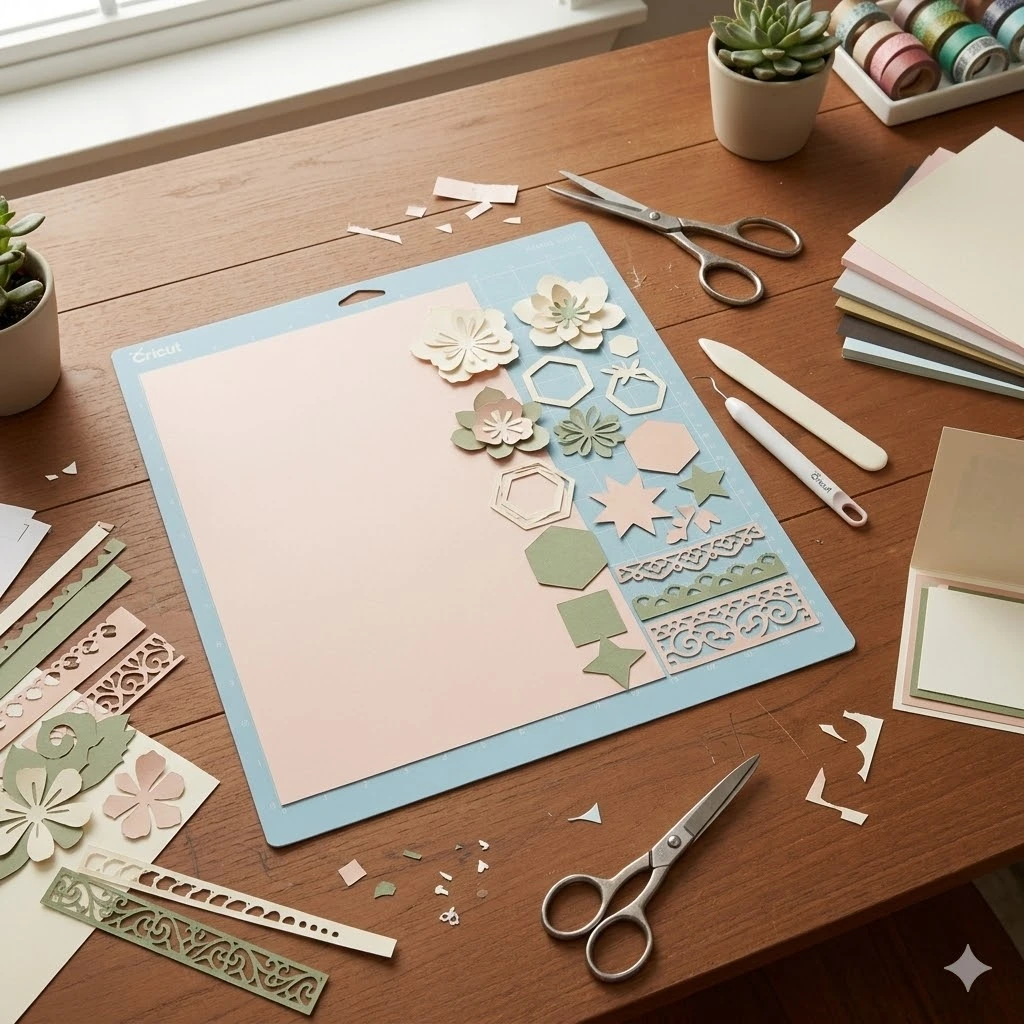
JOANN stocked cardstock in one of the widest color ranges of any craft retailer. The full selection covered every major color category across solid, specialty, and patterned options.
White cardstock joanns the highest-volume seller, used for printing, card bases, and neutral layering across every project type. JOANN maintained white cardstock in permanent open stock alongside packs.
Black cardstock joanns a consistent best seller for dramatic contrast layers, gothic and Halloween projects, chalkboard-style crafts, and sophisticated card making. Black glitter cardstock was a particularly popular specialty version.
Pink cardstock joanns ranged from soft blush to hot pink, covering Valentine’s Day projects, baby shower crafts, and feminine card making designs year-round.
Blue cardstock joanns navy, sky blue, and royal blue were the most popular shades for masculine cards, baby boy projects, ocean-themed scrapbook layouts, and patriotic seasonal crafts.
Green cardstock joanns forest green, sage, and lime covered nature themes, Christmas projects, and botanical scrapbook layouts. Green was a year-round seller with strong spikes in November and December for holiday crafting.
Pastel cardstock a rotating seasonal range in mint, lavender, peach, and soft yellow that peaked in spring for Easter, baby shower, and wedding projects.
Glitter cardstock joanns gold, silver, red, and black glitter cardstock were the highest-selling specialty finishes in the JOANN paper aisle, driven by holiday and celebration project demand. Glitter and metallic cardstock featured prominently in seasonal holiday paper crafting for the full holiday project context see the joann christmas guide.
Metallic cardstock gold and silver were permanent stock, rose gold and copper rotated as trend-driven seasonal additions.
JOANN stocked cardstock under several brand names across different price points and formats. The paper crafting department organized cardstock by format packs, open stock, and specialty finishes rather than strictly by brand.
The Paper Studio was JOANN’s primary house brand for paper crafting supplies including cardstock. The Paper Studio cardstock covered solid color packs, patterned paper packs, specialty finishes, and coordinated designer collections. It was positioned as the value-priced house brand alternative to national paper crafting brands. The Paper Studio 12×12 cardstock packs were some of the most consistently stocked products in the joanns scrapbook section available in solid color rainbow packs and themed designer collections.
Park Lane was a JOANN paper crafting brand covering coordinated scrapbook paper collections themed packs where every sheet was designed to work together across a scrapbook project. Park Lane paper collections were stocked in 12×12 format for scrapbook album use.
Recollections is a crafting brand stocked at JOANN in addition to its primary Michaels presence. Recollections cardstock packs covered solid color assortments and specialty finishes including glitter and metallic options popular with Cricut crafters.
Bazzill is one of the most recognized dedicated cardstock brands in the paper crafting industry. Bazzill cardstock is known for its wide range of textured finishes including their signature Bazzill Basics linen and canvas textures and their exceptionally consistent color range across hundreds of shades. Serious scrapbookers sought out Bazzill specifically because of their color consistency across production batches a critical factor when building large multi-album projects where matching shades across purchases matters. JOANN carried Bazzill cardstock in the scrapbook section alongside house brand options for crafters who required premium texture consistency.
American Crafts is a major paper crafting brand covering cardstock, patterned paper, and scrapbooking embellishments. American Crafts cardstock is well known for its extensive solid color range and its coordinated paper collections designer series where cardstock, patterned paper, and accessories are designed together for cohesive album building. American Crafts cardstock packs were stocked at JOANN alongside their patterned paper and embellishment collections, allowing customers to buy a complete coordinated project kit from a single brand in one shopping trip.
JOANN maintained open stock cardstock individual sheets sold by the single sheet rather than in packs across a range of colors and finishes. Open stock was the key purchasing format for crafters who needed specific colors in specific quantities without buying a full pack. The joann paper aisle open stock section allowed color matching and quantity control that pre-packed packs did not offer. Many customers specifically searched cardstock joanns by color because the open stock format made it practical to build a custom collection one sheet at a time.
Larger bulk cardstock packs at JOANN covered assorted color collections typically 50 to 100 sheets in a rainbow cardstock pack or assorted cardstock pack spanning the full color spectrum. These were popular with high-volume crafters, classroom teachers, and crafters stocking up on project supplies during joanns cardstock sale events. Rainbow assorted packs delivered a full color palette cardstock range in a single purchase eliminating the need to hunt individual open stock colors across multiple shopping trips. The assorted pack format was also the most cost-effective cardstock joann craft paper option per sheet, making it the default choice for Cricut users who cut large quantities of mixed-color projects regularly.
| Format | Size | Sheet Count | Best Use |
|---|---|---|---|
| Open stock single sheets | 12x12 or 8.5x11 | 1 sheet | Color matching, small quantities |
| Small cardstock packs | 12x12 | 12 to 24 sheets | Single project collections |
| Medium cardstock packs | 12x12 or 8.5x11 | 25 to 50 sheets | Multi-project crafting |
| Bulk cardstock packs | 8.5x11 | 50 to 100 sheets | High volume, classroom, Cricut |
| Specialty packs | Various | 12 to 25 sheets | Glitter, metallic, patterned |
| Pre-cut card blanks | 5x7 | 25 to 50 | Card making starter sets |
One of cardstock’s most practical uses is as a printing surface for home and professional document production. Knowing how to print on cardstock correctly prevents paper path jams and feed failures.
Yes. Most modern home inkjet printers handle 65 lb to 80 lb cardstock without issue. Laser printers typically handle cardstock well across the same weight range. The critical step is to check your printer’s maximum media weight specification most home printers list this in the manual or on the manufacturer’s website. Exceeding the maximum weight causes paper path jams and potential roller damage.
Printing on cardstock at home costs slightly more than standard paper printing because cardstock uses more ink to achieve full saturation on its heavier surface. A rough estimate for home inkjet printing on cardstock runs $0.10 to $0.25 per sheet depending on ink coverage, printer efficiency, and cardstock surface type. Smooth white cardstock prints most efficiently textured and colored cardstock absorbs more ink to achieve the same print density. Professional print shop pricing for cardstock runs higher typically $0.50 to $2.00 per sheet depending on quantity and finish quality.
Inkjet printer cardstock should be smooth, not coated coated surfaces resist water-based inkjet ink and cause smearing. Use uncoated smooth cardstock for best inkjet print results. Laser printer cardstock can use slightly heavier weights than inkjet because laser printing uses heat-fused toner rather than liquid ink eliminating smear risk. Always feed cardstock through the straight-through paper path rather than the curved path if your printer offers both options, as cardstock does not bend cleanly around tight paper path curves.
Printable cardstock paper and inkjet cardstock are specifically marketed as printer-compatible typically 65 lb to 80 lb uncoated smooth white or cream stock designed for full-bleed home printing. Laser cardstock is the same weight range but optimized for heat-toner laser printing processes. Printer compatible cardstock is labeled for its printer type on the packaging always match inkjet cardstock to inkjet printers and laser cardstock to laser printers for best results. JOANN stocked printable cardstock in the paper crafting section alongside specialty finishes for crafters who needed blank card bases they could print their own designs onto before cutting and assembling. Joann craft paper in printable formats was particularly popular with customers creating personalized invitations, birth announcement cards, and custom greeting card designs at home.
Cardstock works best when paired with the right tools. These are the standard paper crafting tools stocked alongside cardstock paper joanns customers purchased in the JOANN paper crafting department.
Paper trimmer a rotary or guillotine cutter that produces perfectly straight cuts on cardstock sheets. Far more accurate than scissors for cutting card bases and layout strips. Essential for anyone doing regular card making or Cricut-adjacent paper trimming.
Scoring board a gridded board with a slot that guides a scoring tool along a straight line before folding cardstock. Scores a clean compression line in the paper fiber that allows heavy cardstock to fold crisply without cracking the surface.
Bone folder a smooth flat tool used to press scored cardstock along a fold line, creating a crisp clean fold. Works in combination with a scoring board for professional-quality card folds on 80 lb and heavier cardstock.
Craft punch a handheld punch tool that cuts cardstock into a specific shape circles, stars, flowers, scallops, and geometric shapes in one press. Used for creating paper embellishments, photo corners, and decorative accent layers without a cutting machine.
Die cutting machine a manual or electric machine that uses metal dies to cut cardstock into precise shapes. Common manual machines include the Sizzix Big Shot. Die cutting machines cut more complex shapes than punches and handle thicker cardstock than standard Cricut cutting settings.
Paper embossing tool a stylus-style tool used with an embossing template to press raised designs into cardstock by hand. Creates dimensional texture without a machine embosser.
Scrapbooking was the highest-traffic paper crafting use case at JOANN and cardstock was the foundational material for the entire category.
The base page of a 12×12 scrapbook layout is almost always cardstock typically a solid color or lightly patterned sheet that anchors the design. Photos, journaling blocks, patterned paper accent layers, and die-cut embellishments are layered on top using adhesive.
Coordinated cardstock packs make scrapbooking faster by doing the color matching work in advance. A well-curated 12×12 pack contains sheets that work together in a palette allowing a full multi-page scrapbook project to be built from one pack without color-hunting individual sheets.
The joann scrapbook section organized 12×12 cardstock by theme, season, and style collection making it easy for customers to pull everything for a wedding album, a baby book, or a vacation scrapbook in a single shopping trip. Scrapbook paper 12×12 and 12×12 scrapbook paper were the most commonly searched cardstock-adjacent queries in the JOANN craft paper category.
For scrapbooking projects meant to last family albums, wedding books, and memory preservation acid-free cardstock is not optional. It is essential.
Acid in paper causes a chemical degradation process that yellows the paper over time and more critically transfers to photos stored against it, causing photo fading and deterioration. Acid-free cardstock has had its acid content neutralized during production, stopping this degradation process. Archival scrapbooking paper is both acid-free and lignin-free lignin is a wood pulp compound that accelerates yellowing and must be removed for true archival permanence.
Photo safe cardstock for scrapbooking is labeled with the acid-free designation on the packaging typically shown as a pH neutral symbol or an explicit acid-free label. JOANN stocked acid-free cardstock across its scrapbook paper section with clear labeling because the scrapbooking customer base specifically required archival-safe materials for photo preservation projects. Always verify acid-free labeling before using any cardstock in a project that will store photographs long-term.
This is one of the most common questions from paper crafters and the answer is simpler than most people expect.
Cardstock and scrapbook paper are not different materials. Scrapbook paper is cardstock. The difference is surface design, not material weight or construction.
Plain solid color cardstock is the raw material no printed design, just consistent color across the sheet. Scrapbook paper is the same weight cardstock with a printed pattern, design, or texture applied to the surface. A 12×12 scrapbook paper sheet and a 12×12 solid cardstock sheet are typically the same paper weight the patterned scrapbook sheet just has a design printed on it.
The practical distinction is how each is used. Plain cardstock is used as the base page of a scrapbook layout the background layer everything else is built on. Patterned scrapbook paper is used as accent layers, photo mat backgrounds, and decorative elements on top of the cardstock base.
| Feature | Plain Cardstock | Patterned Scrapbook Paper |
|---|---|---|
| Surface | Solid color, no design | Printed pattern or design |
| Use | Base page, card bases, cutting | Accent layers, decorative elements |
| Weight | 65 lb to 110 lb | Typically 65 lb to 80 lb |
| Acid-free | Available | Varies by brand |
| Cricut compatible | Yes | Yes |
Both are stocked in 12×12 format and often sold together in coordinated packs where the solid cardstock and patterned paper are designed to match giving crafters a complete palette in one purchase.
Card making is one of the most popular uses for cardstock and one of the most beginner-friendly paper craft entry points.
A standard greeting card uses a folded piece of 8.5 x 11 or 5×7 cardstock as the base. The cardstock weight matters here 80 lb smooth cardstock folds cleanly with a bone folder and holds its shape without buckling. Lighter 65 lb cardstock folds well but feels less substantial in the hand. Heavier 100 lb to 110 lb cardstock produces a premium feel but requires scoring with a bone folder before folding to prevent cracking along the fold line.
Card making paper layers typically combine a solid color base card with patterned paper accents, die-cut embellishments, and stamped or printed designs. JOANN stocked card making supplies including pre-scored card blanks, matching envelopes, scoring boards, bone folders, and coordinating patterned paper alongside cardstock in the paper crafting department.

Paper flowers are one of the most visually striking uses for cardstock and one of the most searched DIY paper craft categories online.
Cardstock paper flowers work because the material has enough body to hold petal shapes after curling and forming but enough flexibility to be shaped without cracking. 65 lb to 80 lb smooth cardstock is the standard weight for paper flowers heavy enough for petal structure, light enough to curl smoothly around a pen or dowel rod to shape the petals.
Rolled paper roses, peony-style layered flowers, and simple five-petal punched flowers are the most popular cardstock flower projects. All three require cutting petal shapes either by hand, with a punch, or with a Cricut and shaping each petal individually before assembling. JOANN stocked paper flower templates, petal punches, and coordinating cardstock packs in the craft paper section alongside adhesive and dimensional foam dots for flower assembly. For sealing and finishing completed paper flower projects and decoupage work, see the mod podge joann guide.
Use these four questions before buying cardstock to make sure the material matches the project.
4. How much do you need? Single cards and small projects open stock individual sheets. Full scrapbook projects 12×12 packs of 24 to 50 sheets. High-volume Cricut crafting bulk packs of 50 to 100 sheets.
| Project | Weight | Size | Finish |
|---|---|---|---|
| Cricut paper cutting | 65 lb | 12x12 or 8.5x11 | Smooth |
| Greeting card base | 80 lb | 8.5x11 or 5x7 | Smooth or textured |
| Scrapbook base page | 65 to 80 lb | 12x12 | Smooth or light texture |
| Home printing | 65 to 80 lb | 8.5x11 | Smooth uncoated |
| Premium invitation | 100 to 110 lb | 8.5x11 | Smooth |
| Paper flowers | 65 to 80 lb | 12x12 | Smooth |
| Stencil material | 110 lb | Any | Smooth |
| Holiday project | 65 to 80 lb | 12x12 | Glitter or metallic |
Use the right adhesive liquid glue warps thin cardstock; use a dry adhesive runner or foam mounting tape depending on the project layer thickness
Buying the wrong weight for the project is the most common mistake. Using 65 lb cardstock for a premium invitation feels flimsy. Using 110 lb cardstock in a standard home printer causes paper jams. Match weight to use case before buying.
Folding without scoring on heavy cardstock causes the surface layer to crack along the fold line creating a white stress crack that is visible and irreversible on colored cardstock. Always score with a bone folder before folding anything heavier than 80 lb.
Using dull Cricut blades on cardstock causes tearing, dragging, and incomplete cuts. Cardstock is harder on blades than vinyl or fabric. Replace blades more frequently when cardstock cutting is the primary use.
Ignoring paper direction when printing cardstock has a grain direction from production, and feeding it against the grain causes paper path resistance and feed failures. Feed cardstock with the grain running parallel to the feed direction for smooth printer passage.
Buying open stock singles when a pack gives better value single open stock sheets are useful for specific color matching but cost significantly more per sheet than pack pricing. For projects requiring 10 or more sheets of any one color, packs always deliver better cost per sheet.
| Format | Size | Sheet Count | Regular Price | Coupon Price | Cost Per Sheet |
|---|---|---|---|---|---|
| Open stock single sheet | 12x12 | 1 | $0.40 to $0.79 | $0.20 to $0.40 | $0.20 to $0.79 |
| Small color pack | 12x12 | 12 to 20 sheets | $4 to $8 | $2 to $4 | $0.15 to $0.40 |
| Medium color pack | 8.5x11 | 50 sheets | $6 to $10 | $3 to $5 | $0.06 to $0.10 |
| Bulk assorted pack | 8.5x11 | 100 sheets | $10 to $15 | $5 to $7.50 | $0.05 to $0.08 |
| Glitter cardstock pack | 12x12 | 12 to 15 sheets | $8 to $12 | $4 to $6 | $0.30 to $0.80 |
| Metallic cardstock pack | 12x12 | 12 to 15 sheets | $8 to $12 | $4 to $6 | $0.30 to $0.80 |
Cardstock joanns under $7 searches specifically targeted the coupon-stacked pricing window where medium packs and assorted color collections dropped under $5 during weekly sale events. JOANN ran 40 to 50 percent off weekly coupons across paper crafting supplies including cardstock. Joanns cardstock sale events around the back-to-school season in August and the pre-holiday crafting window in October were the highest-traffic periods for cardstock purchases when bulk packs delivered the lowest cost per sheet of any time of year.
The joann clearance paper bins offered discontinued pattern collections and seasonal specialty finishes at 50 to 70 percent off. These were the best source for premium specialty finishes glitter and metallic packs at near-standard cardstock pricing.
Cardstock was a permanent high-priority category in the joann paper crafting department because it served every paper crafter from complete beginner to advanced scrapbooker simultaneously. A beginner making their first birthday card bought one pack of white 8.5 x 11 cardstock. An advanced scrapbooker bought coordinated 12×12 collection packs alongside matching patterned paper, die cuts, and adhesives. A Cricut hobbyist bought bulk assorted packs for ongoing project supply.
The joann paper crafting department organized cardstock by format and project type solid color assortments in one section, designer patterned paper collections in another, specialty finishes including glitter and metallic in a dedicated premium section. Open stock single sheets occupied a prominent position in the paper aisle for customers who needed specific colors in custom quantities.
JOANN’s weekly coupon culture made paper crafting supplies among the most aggressively discounted craft categories. Cardstock packs regularly dropped 40 to 50 percent during coupon weeks making JOANN the most cost-effective cardstock source for high-volume crafters who timed purchases around predictable sale windows.
The joann scrapbook section treated cardstock as the foundational supply around which everything else albums, protectors, adhesives, stamps, and embellishments orbited. This positioning made cardstock a gateway purchase that drove basket attachment across the entire paper crafting department.
| Feature | JOANN Historical | Michaels | Hobby Lobby |
|---|---|---|---|
| House brand cardstock | The Paper Studio, Park Lane | Recollections | Park Lane (Hobby Lobby) |
| 12x12 cardstock packs | Wide selection | Wide selection | Wide selection |
| Open stock singles | Yes broad range | Limited | Limited |
| Glitter cardstock | Yes | Yes Recollections | Yes |
| Metallic cardstock | Yes | Yes | Yes |
| Bulk 8.5x11 packs | Yes | Yes | Yes |
| Designer collections | Yes multiple brands | Yes | Yes |
| Coupon discount | 40 to 50% weekly | 20% app coupon | 40% weekly |
| Cricut cardstock | Yes | Yes | Yes |
| Post-closure access | Amazon | In-store | In-store |
Michaels cardstock selection is anchored by the Recollections brand one of the most widely recognized craft paper brands in mass retail with a strong 12×12 and specialty finish range. Michaels cardstock 12×12 and michaels cardstock 5×7 searches specifically target the in-store Recollections range which remains widely available. Hobby lobby cardstock is organized under similar house brand coverage with Park Lane and Cricut-compatible solid packs.
For raw coverage of open stock single sheets, JOANN had a notably wider selection than either competitor the open stock format was a competitive differentiator that created repeat traffic from crafters color-matching large projects.
JOANN organized cardstock in a dedicated section of the paper crafting department separate from patterned scrapbook paper, cardmaking supplies, and paper embellishments. Solid color cardstock the workhorse of the category occupied the most shelf space with a wide open stock rainbow of individual sheets allowing customers to hand-select colors rather than buying an entire pack.
Coordinated designer collections where every sheet in a pack matched a specific theme or color palette were displayed as complete units rather than broken into individual sheets. These collection packs were primarily targeted at scrapbooking customers who wanted a cohesive finished album look without extensive color coordination work.
The joann scrapbook paper section drew one of the highest per-visit transaction values in the paper crafting department. Customers buying 12×12 cardstock typically also purchased albums, page protectors, adhesive, and coordinating patterned paper making the cardstock aisle the entry point for a full scrapbooking supply basket. Searches for joann scrapbook paper, joanns cardstock 12×12, and joann cardstock sale now predominantly surface this site and similar archival resources alongside current retailer listings.
Amazon carries the widest current selection of cardstock by sheet count, weight, size, and finish including all major craft paper brands. Free shipping thresholds make bulk cardstock packs cost-competitive with in-store pricing.
Michaels is the strongest in-store substitute for JOANN paper crafting supplies the Recollections brand covers 12×12 packs, specialty finishes, and open stock cardstock in a dedicated scrapbook section. Hobby Lobby carries a strong 12×12 and solid color cardstock range with 40 percent off weekly coupons comparable to historical JOANN discount culture.
Many customers who previously used joann fabrics near me to source cardstock now buy through Amazon for the widest format and weight selection. For the complete overview of craft supplies previously available at JOANN see the full joann craft diy supplies category guide.
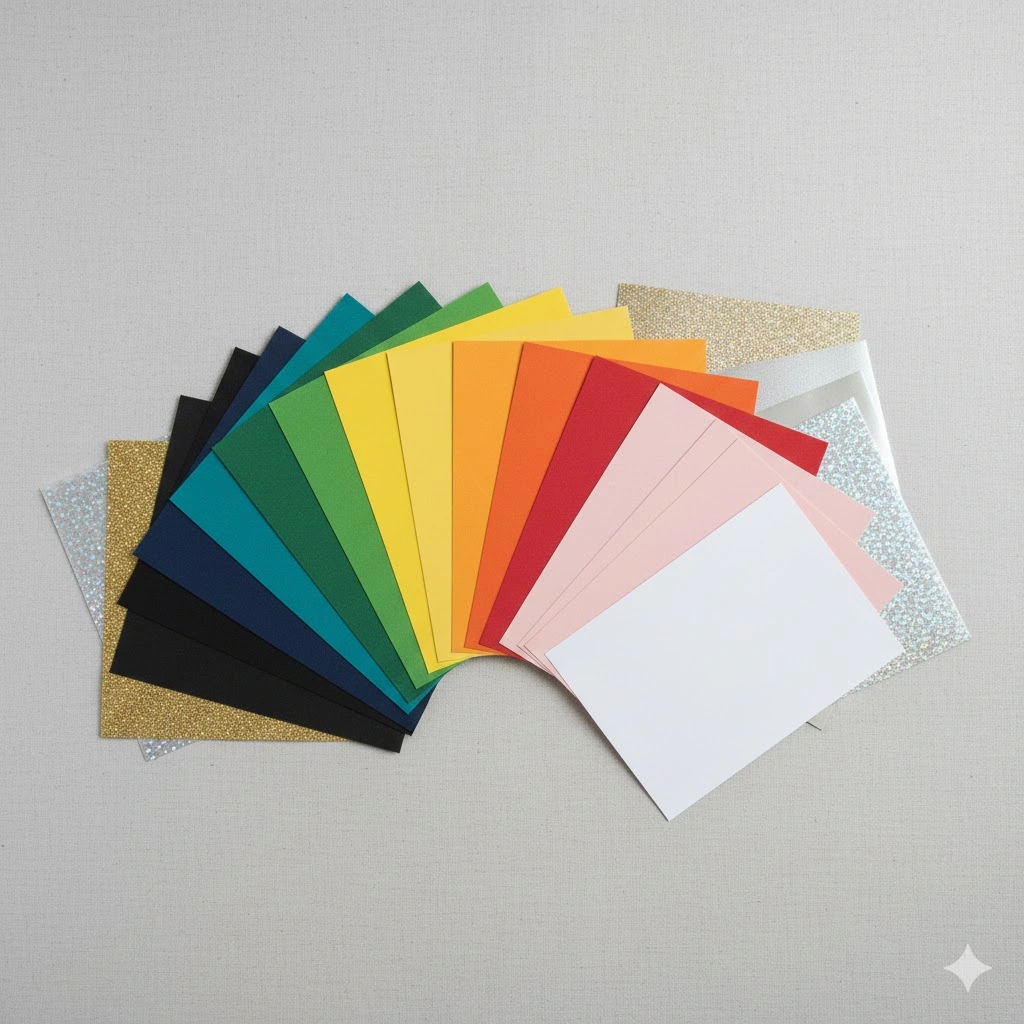
Cardstock is a paper product and requires basic storage care to stay flat, dry, and printable across long-term storage.
| Issue | Cause | Prevention |
|---|---|---|
| Warping and bowing | Humidity and vertical storage | Store flat and horizontal in a dry space |
| Color fading | Direct sunlight exposure | Store away from windows and UV light sources |
| Yellowing | Acid content in paper over time | Use acid-free cardstock for archival scrapbooking |
| Humidity damage | Moisture absorption in paper fibers | Store in sealed containers or plastic bins |
| Printer feed failure | Warped or damp sheets | Condition cardstock at room temperature before printing |
Store cardstock in flat horizontal stacks inside closed storage bins, drawers, or dedicated paper storage cases. Open stock sheets are best stored in labeled vertical slot organizers keeping each color separated and easy to locate as long as the slots are wide enough not to force sheets to bow under pressure. For archival scrapbooking where permanence matters, use acid-free cardstock only acid in paper causes yellowing and degradation of photos and journaling over time.
Cardstock is a heavyweight paper thicker than standard printer paper and lighter than cardboard. It is classified from 65 lb to 110 lb and used for greeting cards, scrapbooking, Cricut cutting, handmade invitations, and paper crafting projects that require a material with enough body to hold its shape.
Standard printer paper is 20 lb or 75 gsm. Cardstock starts at 65 lb (176 gsm) and goes up to 110 lb (300 gsm). Cardstock is significantly thicker, stiffer, and more durable than printer paper. It holds a fold cleanly, cuts precisely, and survives handling without bending or tearing.
65 lb to 80 lb smooth cardstock is the standard recommendation for Cricut cutting. This weight cuts cleanly with the standard Fine Point blade using the Cardstock setting in Cricut Design Space. Heavier 100 lb to 110 lb cardstock requires the Maker’s Knife Blade or multiple passes.
The recommended Cricut cardstock gsm range is 160 gsm to 216 gsm equivalent to approximately 65 lb to 80 lb in the US pound weight system.
Yes. JOANN stocked cardstock in the paper crafting department under The Paper Studio and Park Lane house brands alongside national craft paper brands. The range covered solid colors, patterned paper, specialty finishes including glitter and metallic, and multiple sizes from 8.5 x 11 letter size to 12×12 scrapbook format.
12×12 cardstock is the standard scrapbooking size. It fits standard 12×12 scrapbook albums and page protectors. Scrapbook layouts use 12×12 as the base page with photos, journaling, and embellishments layered on top.
Yes. Heavyweight cardstock 100 lb to 110 lb makes an effective reusable stencil. Cut the stencil shape with a Cricut or craft knife, place against the project surface, and apply paint or ink through the opening. Smooth cardstock seals more cleanly against surfaces than textured versions.
Home inkjet printing on cardstock runs approximately $0.10 to $0.25 per sheet depending on coverage and paper surface. Professional print shop pricing runs $0.50 to $2.00 per sheet. Always check your printer’s maximum media weight before feeding cardstock to prevent paper path jams.
Scrapbook paper is typically cardstock weight (65 lb to 80 lb) with printed patterns and designs on the surface. The terms are sometimes used interchangeably. Plain solid color cardstock is the base material for scrapbook pages while patterned scrapbook paper provides the decorative accent layers.
Glitter cardstock has glitter particles bonded to the paper surface providing permanent sparkle without shedding loose glitter. It is commonly used for holiday projects, party decorations, and festive card making. Glitter cardstock requires adjusted Cricut cutting settings use the Glitter Cardstock setting with slightly increased pressure.
Bulky Yarn at JOANN: Weight 5 Yarn Types, Brands, Projects and Buying Guide (2026) Bulky yarn is one of the
Linen Fabric JOANN: Linen Clothing Fabric, Upholstery & Buying Guide (2026) Linen fabric was one of the most breathable natural

Craft Paint at JOANN: Types, Uses and Complete Buying Guide (2026) Craft paint is one of the most versatile supplies