
Broadcloth Fabric at JOANN: Complete Types, Uses & Buying Guide (2026)
Broadcloth Fabric at JOANN: Complete Types, Uses & Buying Guide (2026) Broadcloth is a tightly woven cotton fabric with a
 Skip to content
Poplin is a tightly woven cotton fabric with a smooth surface and a subtle horizontal rib texture created by thicker weft yarn crossing over fine warp yarn in a plain weave. It is one of the most popular lightweight woven fabrics for dress shirts, blouses, school uniforms, and summer dresses. JOANN Fabrics carried cotton poplin fabric by the yard in solid colors and printed versions across the apparel section of the joann fabric department, stocked alongside broadcloth, lawn, and chambray in the JOANN cotton aisle.
After widespread store closures and restructuring in 2025, searches for poplin fabric joann and cotton poplin fabric joann moved online. This guide covers every poplin type, how to choose the right one, beginner sewing tips, project ideas, care instructions, pricing, and where to buy poplin fabric by the yard today through the full joann fabrics fabrics collection.
Poplin fabric is a lightweight plain weave cotton made with fine warp yarn and thicker weft yarn, creating a subtle horizontal rib texture. It is commonly used for dress shirts, blouses, school uniforms, and lightweight summer apparel.
Poplin is a plain weave fabric built from fine warp yarn running lengthwise and thicker weft yarn running crosswise. That difference in yarn weight creates the horizontal rib texture that separates poplin from other smooth cottons like broadcloth. The result is a high thread count cotton fabric that feels crisp, smooth, and structured without being stiff. Poplin is often described as a warp-dominant weave because the fine warp yarn visually dominates the surface while thicker weft yarn creates subtle ribbing underneath.
Modern poplin is most commonly made from 100 percent cotton or a cotton-poly poplin blend. Most cotton poplin falls between 100 and 140 GSM weight depending on yarn density and intended use. The plain weave construction keeps the fabric grainline stable and easy to work with, which is why poplin is used for tailored shirt construction, structured garment fabric, and beginner sewing projects equally well. Bolt width runs 44 to 60 inches depending on the manufacturer and product line.
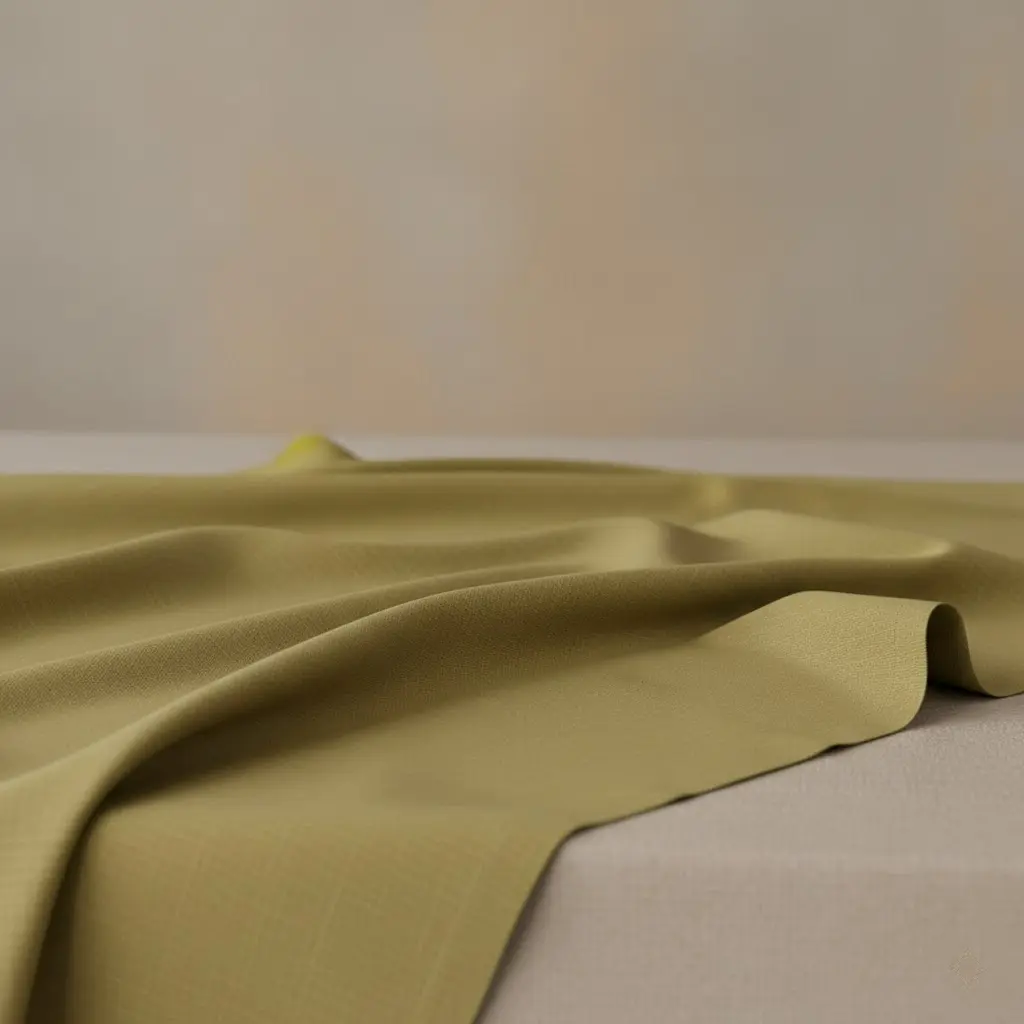
Poplin works across apparel, craft, and home categories because of its breathable cotton fabric construction, colorfast fabric surface, and clean crisp fabric hand. Poplin falls under the shirting fabric classification used in apparel manufacturing, which is why it appears in commercial shirt production as well as home sewing projects.
Common uses include:
| Type | Fiber Content | Weight | Best Use | Beginner Friendly |
|---|---|---|---|---|
| 100% cotton poplin | Cotton | Light | Shirts, dresses, uniforms | Yes |
| Cotton-poly poplin blend | Cotton-polyester | Light | Uniforms, craft, everyday wear | Yes |
| Printed poplin | Cotton or blend | Light | Craft, costumes, casual apparel | Yes |
| Solid color poplin | Cotton or blend | Light | Apparel, table linens, décor | Yes |
| Preshrunk poplin | Cotton | Light | Garments needing wash stability | Yes |
| Stretch poplin | Cotton-spandex blend | Light-medium | Fitted dresses, activewear | Medium |
Pure cotton poplin is the most breathable version in this category. It has a natural crisp fabric hand that holds its shape well in tailored garments without feeling heavy or stiff. It is fully machine washable cotton and one of the most colorfast fabric options for summer apparel and children’s clothing.
Cotton-poly poplin adds wrinkle resistance to the natural cotton base. A 65/35 blend keeps most of the breathability of pure cotton while reducing wrinkling after washing significantly. This is the most practical choice for school uniform fabric because it comes out of the dryer looking neat without ironing.
Printed poplin has patterns or designs applied directly to the smooth fabric surface. The tight weave accepts printing cleanly with sharp detail, which is why printed poplin works well for children’s clothing fabric, costume fabric, and seasonal craft projects. JOANN stocked printed poplin in florals, stripes, geometrics, novelty prints, and licensed character designs.
Solid poplin is the most versatile version for apparel and home projects. The flat colorfast surface works with any design element without competing. JOANN stocked solid poplin in white, black, navy, red, pink, blue, green, and dozens of seasonal colors year-round across the JOANN cotton aisle.
Preshrunk cotton poplin has been washed before selling to remove most raw cotton shrinkage. Buying preshrunk means the fabric is dimensionally stable when it arrives and skips the pre-wash step before cutting. Always check the bolt label — if it is not marked preshrunk cotton, wash and dry it before cutting.
Stretch poplin adds spandex to the cotton base for two-way or four-way stretch. This version works for fitted summer dress fabric and form-fitting bodice styles where standard woven cotton has no ease of movement. Stretch poplin needs a stretch stitch or narrow zigzag when sewing seams.
JOANN stocked poplin in a wide color range across the apparel section with seasonal displays rotating throughout the year. The most searched and purchased colors reflected both everyday garment needs and seasonal project demand.
Core colors available year-round included:
Plaid poplin fabric — stocked in seasonal plaid prints for fall shirts, school looks, and casual wear

Poplin is a lightweight apparel fabric and it is important to know what it is not suited for. Poplin is not an upholstery fabric — it does not have the weight, abrasion resistance, or pile recovery needed for furniture. It is not flannel, which is a brushed warm fabric for cold-weather wear. It is not linen, which has a slubbed irregular texture from natural fibers. It is not heavy canvas, which is a stiff structured fabric for bags and outerwear.
Poplin is also not traditional quilting cotton, although it works well as a quilting cotton alternative for quilt backings. If you are searching for fabric that looks or sounds similar to poplin but serves a completely different function, the fabrics category covers every cotton type with clear use-case distinctions.
Poplin has a crisp fabric hand that feels smooth but slightly more textured than broadcloth because of the horizontal rib running across the surface. Running your hand along it feels clean and structured. It is not soft or plush — it has a professional tailored feel that holds its shape without being stiff. Its breathable summer fabric structure makes it ideal for warm-weather garments where you want comfort without clingy or heavy material.
The fabric drape of poplin is moderate to slightly structured. It hangs cleanly in shirts and dresses without clinging to the body. The fabric opacity of poplin is high for a lightweight woven fabric, which means most poplin shirts and blouses do not need lining fabric added for coverage. This combination of good fabric drape and strong fabric opacity made poplin one of the top apparel fabrics in the JOANN Fabrics cotton aisle.
For tailored shirts and structured garment fabric, choose 100 percent cotton poplin for its crisp fabric hand and breathable cotton fabric properties. For school uniforms and everyday children’s clothing fabric, a cotton-poly poplin blend reduces ironing time and adds wrinkle resistance without losing washability. This is why poplin remained a staple inside the JOANN Fabrics apparel section year after year.
For heat transfer vinyl compatible fabric projects, both cotton and cotton-blend poplin work well at standard pressing temperatures. Avoid stretch poplin for HTV because spandex reacts poorly to high heat. For pleated skirts fabric, choose a firm cotton poplin with enough body to hold the pleats — a heavier cotton poplin or cotton-poly blend works better than a very lightweight version. For quilting backings and fabric for appliqué, standard cotton poplin is an excellent quilting cotton alternative with a smooth stable surface. For more quilting-specific options see the quilt fabric guide.
| Feature | Poplin | Broadcloth | Lawn |
|---|---|---|---|
| Weave | Plain | Plain | Plain |
| Surface texture | Fine horizontal rib | Completely smooth | Very smooth, sheer |
| Weft yarn | Thicker | Fine | Fine |
| Fabric hand | Crisp, structured | Smooth, soft | Soft, airy |
| Weight | Light | Light | Very light |
| Best use | Shirts, uniforms, dresses | Soft apparel, craft | Blouses, flowing dresses |
| Beginner friendly | Yes | Yes | Medium |
Poplin often features a slightly lower thread count than broadcloth but a higher yarn density in the crosswise direction, creating its distinct rib texture. Compared to muslin fabric, poplin is more polished and colorfast for finished garments. Compared to cotton canvas fabric, it is dramatically lighter and used for completely different applications. For a full overview of cotton options see the cotton fabric guide.

Poplin is one of the best beginner sewing fabric options because it behaves predictably on the machine and responds well to pressing.
Finish raw edges with a serger or zigzag stitch before assembly — for machines that handle woven cotton well see the joann sewing machines guide
Skipping the prewash step is the most common poplin mistake. Cotton poplin shrinks and the grainline can distort in the first wash, causing finished garments to hang unevenly after laundering. Preshrinking before cutting takes one extra hour but protects the whole project.
Using a dull needle on poplin causes skipped stitches and visible thread distortion in finished seams. Poplin is a high thread count cotton with a tight plain weave and needs a fresh sharp needle to pierce cleanly between threads. Always test on a fabric scrap before starting the actual project.
Buying poplin for upholstery or heavy-use craft projects is a mismatch. Poplin is a lightweight woven fabric designed for apparel, table linens, and light craft — it does not have the weight or abrasion resistance needed for furniture or bags. For heavier fabric needs see the upholstery fabric guide.
| Poplin Type | Price per Yard | Difficulty Level |
|---|---|---|
| Cotton-poly poplin blend | $3 to $6 | Easy |
| 100% cotton poplin | $4 to $8 | Easy |
| Printed poplin | $5 to $10 | Easy |
| Stretch poplin | $7 to $13 | Medium |
| Premium preshrunk poplin | $6 to $10 | Easy |
Skipping the prewash step is the most common poplin mistake. Cotton poplin shrinks and the grainline can distort in the first wash, causing finished garments to hang unevenly after laundering. Preshrinking before cutting takes one extra hour but protects the whole project.
Using a dull needle on poplin causes skipped stitches and visible thread distortion in finished seams. Poplin is a high thread count cotton with a tight plain weave and needs a fresh sharp needle to pierce cleanly between threads. Always test on a fabric scrap before starting the actual project.
Buying poplin for upholstery or heavy-use craft projects is a mismatch. Poplin is a lightweight woven fabric designed for apparel, table linens, and light craft — it does not have the weight or abrasion resistance needed for furniture or bags. For heavier fabric needs see the upholstery fabric guide.
Fabric for appliqué panels in quilts and wall hangings where the tight weave prevents fray

Poplin was one of JOANN’s most consistent apparel fabric sellers because it covered the widest range of everyday garment needs in a single fabric type. The JOANN fabric department stocked poplin bolts in the apparel section sorted by color family, with solid colors grouped together and printed poplin in its own nearby section. The JOANN cutting counter handled high poplin volume especially during spring and back-to-school season when dress and uniform sewing peaked.
JOANN stocked both pure cotton poplin and cotton-poly poplin blends to serve different budgets and project types. Private label cotton poplin sat alongside national fabric brands giving customers an affordable entry option. Customers frequently purchased multiple yards of matching poplin fabric yardage for school and seasonal garment projects. JOANN weekly coupons of 40 to 50 percent off and JOANN remnant bin pricing made poplin fabric by the yard one of the most accessible apparel fabrics in the entire fabrics collection.

| Feature | JOANN Historical | Michaels | Hobby Lobby |
|---|---|---|---|
| Poplin selection | Wide, solid and printed | Very limited | Moderate |
| Color range | 40-plus solids and seasonal prints | Minimal | Basic solids |
| Printed poplin | Yes, extensive | No | Limited |
| Cotton-poly blend | Yes | Rarely | Yes |
| Preshrunk options | Yes | Rarely | Occasionally |
| Price per yard | $3 to $8 | Higher | $3 to $7 |
| Coupon culture | 40 to 50% weekly | Occasional | 40% weekly |
| Fabric cutting counter | Yes, full service | No | Yes, limited |
| Post-closure access | Amazon | In-store limited | In-store |
JOANN had the deepest poplin selection of any major craft chain. The variety of solid colors, seasonal prints, and licensed character poplin at JOANN had no match at Michaels. Hobby Lobby carries basic poplin in a reasonable color range but does not match the printed selection depth JOANN maintained. Amazon now offers the widest online poplin selection with customer reviews to help evaluate color accuracy and fabric hand before buying.
JOANN organized poplin in the apparel fabric section alongside broadcloth, lawn, and chambray as part of its shirting fabric grouping. Solid poplin bolts were sorted by color family making it easy to find matching yardage for uniform and garment projects. Printed poplin had its own section organized by theme including seasonal, children’s character, and classic patterns.
The JOANN cutting counter staff cut poplin accurately on the fabric grainline, which mattered for customers buying multiple yards for tailored shirt and dress projects. Sample lengths were available at the counter for checking color and fabric drape under store lighting before committing to full fabric yardage. Many customers searching joann fabrics near me during spring sewing season were looking for specific poplin colors to complete garment projects already in progress.
Following widespread store closures and restructuring in 2025, poplin fabric is no longer available at physical JOANN locations. While physical locations are no longer operating in many regions, the JOANN brand and product documentation continue to exist through online retail channels. The same cotton poplin fabric joann customers relied on for dress shirts, uniforms, summer dresses, and craft projects is now available through Amazon, Hobby Lobby, and online fabric retailers.
Amazon carries the widest current selection of poplin fabric by the yard including 100 percent cotton poplin, cotton-poly poplin blends, printed poplin, solid colors, and preshrunk options across multiple price points. Many online retailers offer free shipping once minimum order thresholds are met. Bulk yardage purchases are also available for garment makers producing multiple shirts or uniforms, and online yardage ordering lets you specify exact cuts in the color and width you need.
Poplin is easy to care for and handles regular machine washing well. Wash 100 percent cotton poplin on a cool gentle cycle to prevent shrinkage and color fading over time. Cotton-poly poplin blend is more heat tolerant and can be washed in warm water without concern.
Tumble dry on medium heat and remove promptly to reduce wrinkling. Pure cotton poplin wrinkles more than blended versions because it lacks the wrinkle resistance that polyester adds, and may need a quick press after drying. A cotton iron setting at medium heat restores the crisp fabric hand quickly.
| Poplin Type | Washing | Drying | Pressing | Storage |
|---|---|---|---|---|
| 100% cotton poplin | Machine wash cool | Tumble dry medium | Cotton iron | Fold or hang |
| Cotton-poly blend | Machine wash warm | Tumble dry medium | Warm iron | Fold or hang |
| Printed poplin | Machine wash cool inside out | Tumble dry low | Warm iron | Fold |
| Stretch poplin | Machine wash cool gentle | Air dry or low heat | Warm iron with care | Fold |
| Preshrunk poplin | Machine wash cool | Tumble dry medium | Cotton iron | Fold or hang |
A lightweight plain weave cotton with fine warp yarn and thicker weft yarn creating a subtle horizontal rib, used for dress shirts, blouses, uniforms, and summer dresses.
100 percent cotton poplin with a crisp hand, fine horizontal rib texture, and breathable construction suited for apparel and light craft.
A crisp lightweight cotton used for tailored button-down shirts because its smooth surface and structured drape hold collar and cuff construction cleanly.
Crisp, smooth, and slightly structured with a subtle horizontal rib more formal than broadcloth and holds its shape without being stiff.
Poplin has a slight horizontal rib from thicker weft yarn while broadcloth is completely smooth both are plain weave shirting fabrics but poplin feels crisper.
Yes, JOANN stocked cotton poplin in solid colors and printed versions at the cutting counter in bolt widths of 44 to 60 inches across the apparel fabric section.
Yes, it cuts cleanly, sews predictably, presses easily, and works correctly on any basic home machine without special adjustments.
Yes, cotton poplin is breathable and lightweight making it one of the best choices for summer dress fabric and lightweight summer apparel.
Yes for lightweight café panels and tier curtains, but add lining fabric for full light blocking since poplin alone does not provide enough fabric opacity for blackout use.
100 percent cotton poplin wrinkles more than cotton-poly blend the blend adds wrinkle resistance that keeps garments looking neat after washing without ironing.
Universal needle size 70/10 or 80/12 for standard poplin and stretch needle 75/11 for stretch poplin.
Dress shirts, blouses, summer dresses, pleated skirts, school uniforms, children’s clothing, table linens, curtain panels, DIY pillow covers, and appliqué projects.
Broadcloth Fabric at JOANN: Complete Types, Uses & Buying Guide (2026) Broadcloth is a tightly woven cotton fabric with a
Outdoor Fabric at JOANN: Waterproof & UV-Resistant Fabric Guide (2026) Outdoor fabric is a performance textile made to handle sun,
Cotton Fabric JOANN: Types, Quilting Cotton & Buying Guide (2026) Cotton fabric was one of the most important materials sold