
Bulky Yarn at JOANN: Weight 5 Yarn Types, Brands, Projects and Buying Guide (2026)
Bulky Yarn at JOANN: Weight 5 Yarn Types, Brands, Projects and Buying Guide (2026) Bulky yarn is one of the
 Skip to content
Polyester fabric is one of the most widely used synthetic textiles in the world, made from polyethylene terephthalate a thermoplastic polymer fiber produced through a process called polymer extrusion. It is used in everything from everyday clothing and sportswear to upholstery, outdoor cushions, and craft projects. Polyester is popular because it is affordable, durable, wrinkle-resistant, and holds color well through dye sublimation which is why it became one of the most stocked fabric categories at JOANN Fabrics stores.
JOANN carried polyester fabric by the yard across multiple departments, including apparel fabric, fleece, satin, chiffon, and outdoor performance fabric. Customers could find polyester broadcloth, stretch polyester, brushed polyester, and polyester lining fabric all under one roof. After JOANN store closures reduced local availability, many sewists began buying polyester fabric online instead. This guide covers every type of polyester fabric, how to choose the right one, sewing tips, pricing, project ideas, and where to buy today.
Polyester fabric is a synthetic textile made from polyethylene terephthalate, commonly known as PET. It is produced by melting plastic pellets and forcing the liquid through tiny holes in a process called polymer extrusion, which creates long continuous filament fibers or shorter staple fibers depending on the end use. Filament polyester produces smooth, silky fabrics like polyester satin and chiffon. Spun polyester uses shorter staple fibers twisted together, which creates a softer, more cotton-like texture used in broadcloth and fleece.
Polyester is a thermoplastic fiber, meaning it can be heat-set into permanent shapes and textures during manufacturing. This is how polyester gets its wrinkle resistance and shape retention the fiber literally remembers its set shape after heat treatment. Colorfastness is one of polyester’s strongest qualities. Because polyester accepts dye through dye sublimation rather than surface coating, colors stay vibrant through repeated washing without fading. This is why polyester fabric remains popular for everything from sportswear to cosplay costumes and prom dress fabric.

Polyester fabric is used across more categories than almost any other textile because of how many different forms it takes.
Common uses include:
Stretch polyester fabric and polyester spandex blends are especially popular for fitted clothing, activewear, and dancewear because of the added elasticity from the spandex content.
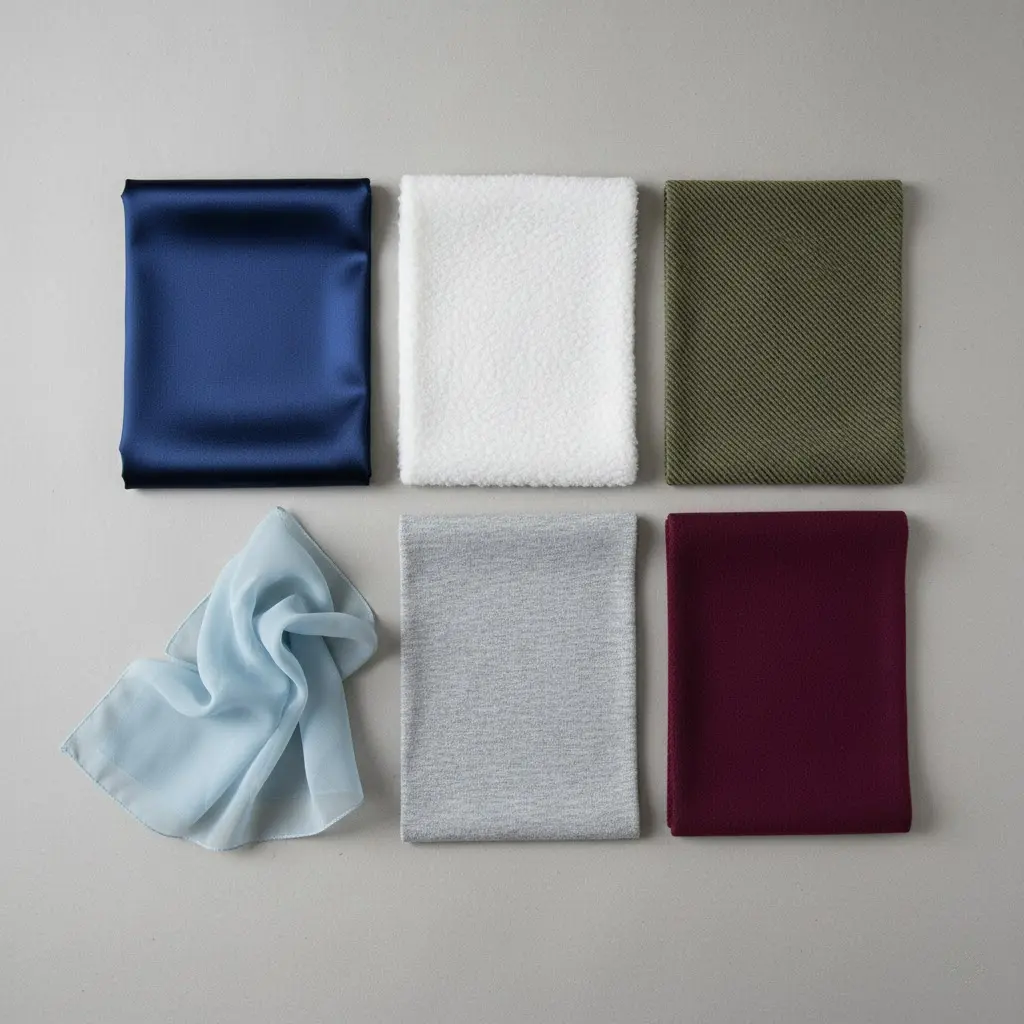
Polyester comes in more fabric variations than most other materials. Each type has a different texture, weight, and best use.
| Type | Weight | Best Use |
|---|---|---|
| Polyester broadcloth | Light-Medium | Apparel, craft |
| Polyester satin | Light | Formal wear, lining |
| Polyester chiffon | Very Light | Dresses, overlays |
| Polyester fleece | Medium-Heavy | Blankets, outerwear |
| Stretch polyester | Light-Medium | Activewear, fitted clothing |
| Polyester lining fabric | Very Light | Jacket and coat lining |
| Microfiber polyester | Light | Sportswear, cleaning |
| Brushed polyester | Medium | Cozy apparel, pajamas |
| Waterproof polyester | Heavy | Outdoor, rain gear |
| Performance polyester | Medium | Activewear, outdoor |
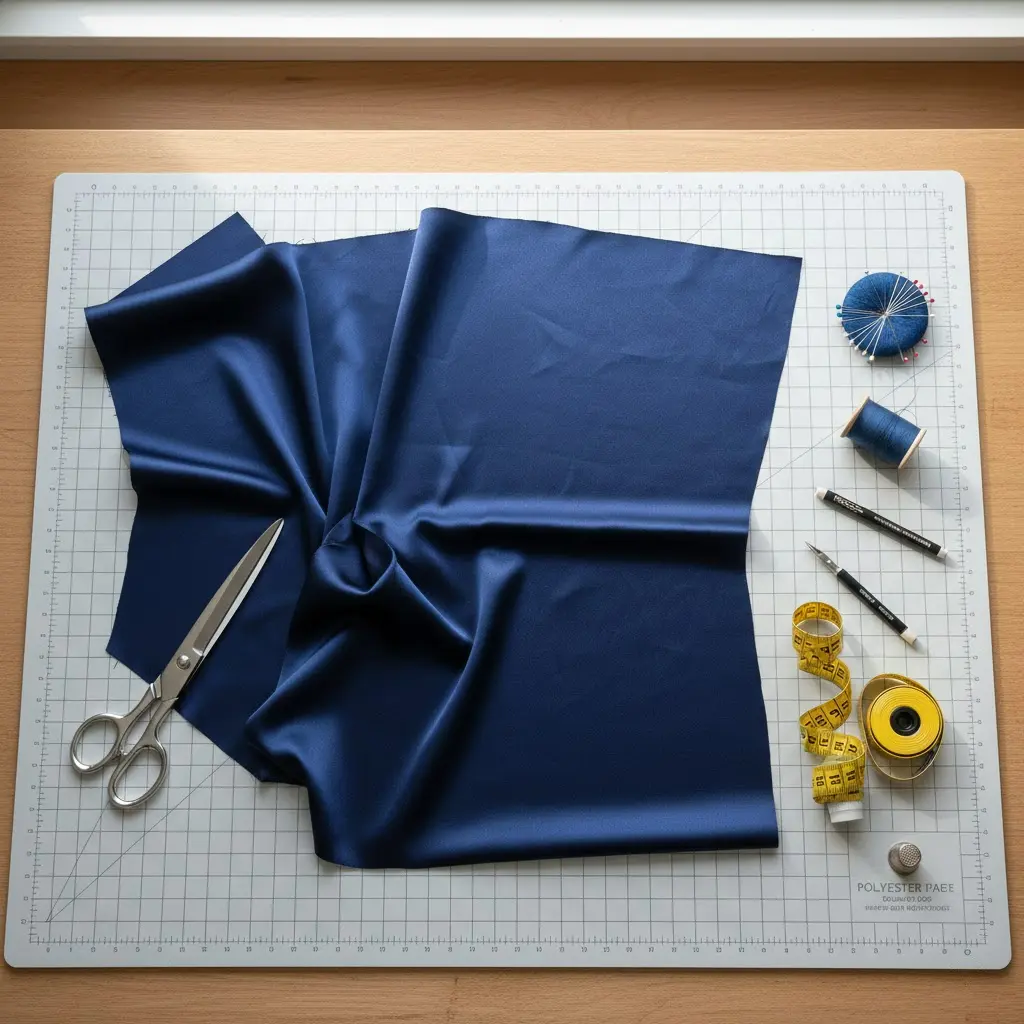
Polyester satin is woven using a satin weave structure that creates a smooth, shiny surface on one side and a matte finish on the other. It is lightweight, easy to drape, and commonly used for prom dress fabric, formal wear, bridal projects, and costume sewing. JOANN carried polyester satin in a wide range of solid colors and some prints.
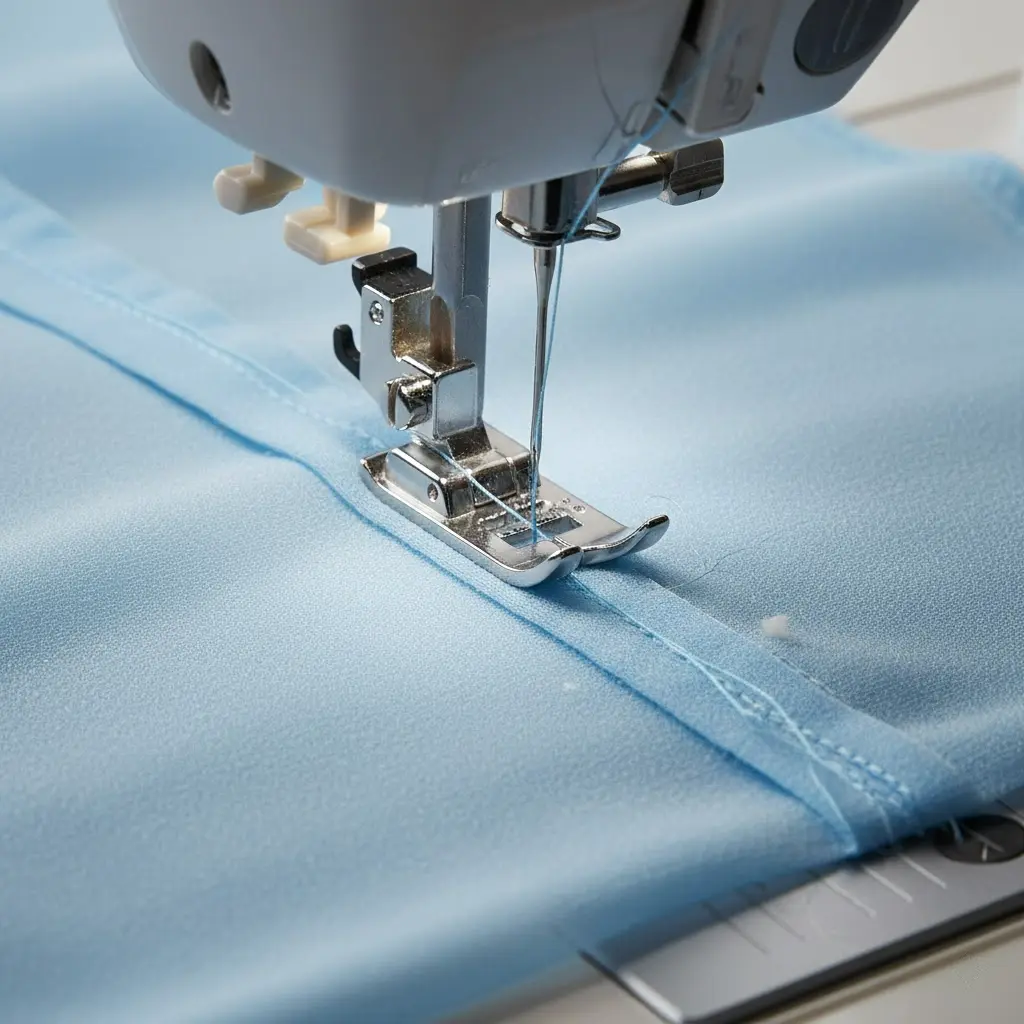
Polyester chiffon is an extremely lightweight sheer fabric with a slightly rough texture from its twisted filament yarns. It is used for dress overlays, scarves, blouses, and flowing costume pieces. Chiffon is one of the harder fabrics to sew because it shifts easily, but the drape it creates is hard to replicate with heavier materials.
Polyester fleece is a knit fabric brushed on one or both sides to create a soft, fluffy texture. It is warm, lightweight, and does not fray when cut, which makes it one of the most beginner-friendly fabrics to sew. Fleece is used for blankets, outerwear, and craft projects. JOANN was one of the most popular retailers for polyester fleece fabric by the yard. For a deeper comparison of fleece types and weights, see our blizzard fleece fabric guide.
Polyester spandex is a blend of polyester and elastane fiber that adds significant stretch and recovery to the fabric. It is the go-to material for activewear, leggings, dancewear, and fitted costumes. The spandex content typically ranges from 5 to 20 percent higher spandex means more stretch. JOANN carried polyester spandex fabric in the apparel and stretch fabric section.
Microfiber polyester is made from extremely fine filament fibers, finer than a human hair. The result is a fabric that feels incredibly soft and smooth while remaining lightweight and moisture-wicking. Microfiber is commonly used in sportswear, athletic wear, and performance polyester garments because it pulls moisture away from the skin during exercise.
Brushed polyester goes through a finishing process where the fabric surface is mechanically brushed to raise the fibers and create a soft, fuzzy texture. It feels similar to flannel but is lighter and more durable. Brushed polyester is popular for cozy loungewear, pajamas, and casual apparel.
Polyester twill has a diagonal rib pattern woven into the surface, similar to denim but lighter and more wrinkle-resistant. It is used for pants, jackets, and structured apparel where you want fabric that holds its shape. Polyester twill is more durable than broadcloth and has better abrasion resistance for everyday wear.
Polyester jersey is a knit fabric with a smooth face and slightly textured back. It stretches in one direction and is commonly used for t-shirts, casual dresses, and lightweight tops. It is easier to sew than polyester spandex because it has less stretch but still drapes well for fitted garments.
Double brushed polyester is brushed on both sides during finishing, creating an extremely soft texture on the face and back. It is heavier than single brushed polyester and has excellent drape for loungewear, pajamas, and soft fitted clothing. Many sewists searched specifically for double brushed polyester spandex fabric at JOANN because of how soft and comfortable it is to wear.
Polyester felt is a non-woven fabric made from compressed polyester fibers. It does not fray, comes in a wide range of colors, and is one of the most beginner-friendly materials for craft projects. JOANN stocked polyester felt by the yard and in pre-cut sheets in the craft section.
Polyester batting is used as the middle layer in quilts, cushions, and stuffed projects. It is lightweight, lofty, and machine washable, making it a popular alternative to cotton batting. JOANN carried polyester batting by the yard and in pre-cut quilt sizes alongside their quilting fabric section.
Polyester lining material is a lightweight, smooth fabric sewn inside jackets, coats, and bags to cover seams and improve comfort. It is slippery to sew but adds a clean professional finish to garments. JOANN stocked polyester lining in the fashion fabric section in standard colors like black, white, and ivory.
Cotton polyester blend fabric combines natural cotton fibers with synthetic polyester to balance the best qualities of both. Cotton adds breathability and softness while polyester adds durability, wrinkle resistance, and shrink resistance. JOANN carried cotton polyester blend fabric in the broadcloth section, commonly used for apparel, quilting, and craft projects.
Yes, 100 percent polyester fabric works well for upholstery when you choose the right grade. The key number to look for is the abrasion resistance rating measured in Wyzenbeek double rubs. For residential furniture that gets regular use, look for polyester fabric rated at least 15,000 double rubs. For commercial seating like restaurant chairs or office furniture, 30,000 double rubs or higher is the minimum.
High-grade performance polyester has strong tensile strength and resists pilling, which makes it durable for upholstery that experiences daily friction. Budget polyester broadcloth is not suitable for upholstery because it is too lightweight and will wear through quickly under regular use. Always check the abrasion rating on the fabric label or product listing before buying polyester for any furniture project.
Polyester fabric feels different depending on which type you are holding. Standard polyester broadcloth feels smooth and slightly slippery, similar to a blend of cotton and nylon. It is lightweight and easy to handle but does not have the natural softness of cotton or linen. Polyester satin feels silky and cool to the touch on the shiny side, with a slightly rougher texture on the matte side.
Polyester fleece feels completely different soft, warm, and fuzzy, more like a blanket material than traditional fabric. Brushed polyester has a similar softness without as much loft. Stretch polyester and polyester spandex feel smooth and slightly firm, with an elastic springiness that returns to shape after being pulled. Microfiber polyester is the softest polyester type, feeling almost like velvet or suede depending on the finishing process used.
Choosing the right polyester fabric depends on your project type, the amount of structure you need, and whether you need stretch. For formal wear and costumes, polyester satin or chiffon gives the best drape and visual impact. For activewear and fitted clothing, polyester spandex is the correct choice because it stretches and recovers with movement.
For beginner sewing projects, polyester broadcloth and polyester fleece are the easiest to work with. Broadcloth does not stretch and sews like regular cotton. Fleece does not fray at all, which removes the need for finishing seam edges. For outdoor cushions and performance applications, waterproof polyester or outdoor performance polyester with moisture-wicking properties is the right choice.
Check the fabric weight in GSM before buying lighter GSM means more sheer and drapey, higher GSM means more structure and opacity. For upholstery projects, look for polyester fabric with high abrasion resistance and tensile strength to handle regular use.
Understanding polyester’s performance properties helps you choose the right type for any project.
Wrinkle resistance is one of polyester’s most useful qualities. Because the fiber is heat-set during manufacturing, it resists creasing and holds its shape well through wear and washing.
Shrink resistance is another advantage over natural fibers. Polyester does not absorb water the same way cotton does, so it does not shrink significantly in the wash. This makes it reliable for garments and projects where consistent sizing matters.
Moisture-wicking properties in performance polyester and microfiber fabric pull sweat away from skin during exercise, making it popular for sportswear and activewear.
Pilling resistance varies by polyester type. Cheaper polyester fabrics pill more easily with friction. Higher-quality spun polyester and performance polyester have better pilling resistance.
Static buildup is a common downside of polyester. The synthetic fiber generates static electricity, especially in dry conditions. Fabric softener or anti-static spray reduces this during washing.
| Property | Polyester | Cotton | Rayon |
|---|---|---|---|
| Wrinkle resistance | Excellent | Poor | Poor |
| Shrink resistance | Excellent | Medium | Low |
| Moisture wicking | Medium | Low | Low |
| Breathability | Low | High | Medium |
| Pilling resistance | Medium | High | Low |
| Colorfastness | Excellent | Good | Medium |
| Abrasion resistance | High | Medium | Low |
Polyester was one of the largest synthetic fabric categories at JOANN, spanning the apparel, fleece, fashion, outdoor, and craft departments. Because it covered so many product types, JOANN historically stocked more polyester variations than most fabric retailers. This made it a one-stop shop for sewists who needed different polyester types for different projects something that now requires shopping across multiple online retailers to replicate.
Helpful tips:
Choosing the right machine from our joann sewing machines guide can also improve stitching results for slippery or stretch polyester fabrics.
For polyester fleece, a longer stitch length and walking foot helps feed the thick fabric evenly through the machine without stretching.
Using too much heat is the most damaging mistake with polyester. Polyester is a thermoplastic fiber, which means high heat melts or distorts it permanently. Always use a low iron setting and never apply steam directly without a press cloth between the iron and fabric.
Using the wrong needle for stretch polyester causes skipped stitches and damaged fabric. A universal needle pushes through the knit structure and breaks threads instead of passing between them. Always switch to a ballpoint or stretch needle when sewing polyester spandex or any stretch polyester fabric.
Buying the wrong polyester type for the project is a common beginner mistake. Polyester satin looks beautiful but is difficult to sew because it shifts and slips. Beginners who choose satin for their first project often struggle with seam alignment. Starting with polyester broadcloth or fleece is a much more manageable entry point.
Polyester fabric is one of the most affordable fabric categories available, which is part of why it is so widely used.
| Polyester Type | Price per yard | Difficulty |
|---|---|---|
| Polyester broadcloth | $3–$7 | Easy |
| Polyester fleece | $5–$10 | Easy |
| Brushed polyester | $5–$9 | Easy |
| Polyester satin | $4–$10 | Medium |
| Polyester chiffon | $4–$9 | Hard |
| Stretch polyester | $6–$12 | Medium |
| Polyester spandex | $8–$15 | Medium |
| Microfiber polyester | $6–$12 | Medium |
| Performance polyester | $10–$18 | Medium |
| Waterproof polyester | $10–$20 | Medium |
JOANN clearance fabric sales regularly featured polyester fabric at discounted prices, especially at end-of-season clearance events. Buying polyester fabric by the yard online often provides better pricing and wider color selection than physical stores.
Polyester fabric works across a huge range of sewing and craft projects because of how many forms it comes in.
Popular project ideas:
Cotton polyester blend fabric works especially well for quilting projects because it combines the easy sewing of cotton with the added durability of polyester.
| Fabric | Breathability | Durability | Wrinkle Resistance | Moisture Handling | Best Season |
|---|---|---|---|---|---|
| Polyester | Low | High | Excellent | Wicking | Year round |
| Cotton | High | Medium | Poor | Absorbing | Summer |
| Rayon | Medium | Low | Poor | Absorbing | Spring/Summer |
| Linen | Very High | Medium | Poor | Absorbing | Summer |
| Nylon | Low | Very High | Good | Wicking | Year round |
| Fleece | Medium | High | Excellent | Wicking | Winter |
Polyester retains heat more than cotton or linen because the synthetic fiber traps air close to the body instead of allowing airflow through the weave. Cotton absorbs moisture and releases it through evaporation, which creates a cooling effect on skin. Polyester does not absorb moisture the same way instead, performance polyester uses moisture-wicking technology to pull sweat to the surface where it evaporates faster.
For summer clothing, cotton fabric and linen fabric are more comfortable because of their natural airflow and moisture absorption. For winter outerwear and activewear, polyester wins because of its thermal retention, durability, and fast-drying properties. Rayon is more breathable than polyester but far less durable and prone to shrinkage. Nylon matches polyester in breathability but outperforms it in tensile strength for heavy-duty applications.
JOANN Fabrics stocked polyester fabric across multiple departments in their fabric department, making it one of the most accessible fabric choices in store. The apparel fabric section carried polyester broadcloth, stretch polyester, polyester spandex, and polyester chiffon. The fleece section was one of JOANN’s most popular departments, offering polyester fleece in hundreds of prints and solid colors by the yard. Polyester satin and polyester lining fabric were stocked in the fashion fabric section alongside formal wear materials.
Customers could browse polyester fabric samples on bolts at the fabric cutting counter and order exact yardage for their projects. JOANN ran seasonal fabric sales where polyester fabric regularly appeared in clearance bins and online yardage ordering allowed customers to purchase polyester fabric remotely with in-store pickup. Weekly JOANN coupons made polyester one of the most cost-effective fabric options available.
After store closures, searches for polyester fabric joann and joann polyester fabric by the yard moved online. The same types of polyester fabric JOANN stocked are widely available through online retailers today. Customers looking for former JOANN locations can use the joann fabrics near me page for store transition information.
Many customers used store locator searches to find polyester fabric joann near me when planning sewing projects. JOANN’s fabric department layout placed polyester broadcloth and apparel fabrics near the front, with fleece, satin, and lining materials organized by fiber type through the department. Customers could request exact yardage cuts at the fabric cutting counter and browse polyester fabric sample swatches on bolts before committing to a purchase.
Online yardage ordering through JOANN’s website allowed customers to buy polyester fabric remotely with in-store pickup at their local location. After store closures, this option transitioned fully to online purchasing through third-party retailers. Today, buy polyester fabric joann searches lead primarily to Amazon, Michaels, and Hobby Lobby, which carry comparable polyester fabric inventory to what JOANN historically stocked.
Amazon carries one of the largest online selections of polyester fabric by the yard, covering every type from polyester broadcloth and satin to performance polyester and waterproof polyester.
Steps:
For slippery fabrics like polyester chiffon or satin, use fabric weights to hold pieces in place while cutting and sewing. Hand basting before machine sewing also helps keep slippery layers aligned.
Polyester fabric is one of the easiest textiles to care for because of its shrink resistance and colorfastness. Machine wash polyester on a warm or cool cycle using a regular detergent. Avoid hot water, which can break down the fiber structure over time and cause pilling.
Tumble dry polyester on low heat or hang to dry. High dryer heat can cause permanent wrinkling in some polyester types and may damage coatings on waterproof polyester fabric. Remove polyester garments from the dryer promptly to prevent heat-set wrinkles from forming as the fabric cools.
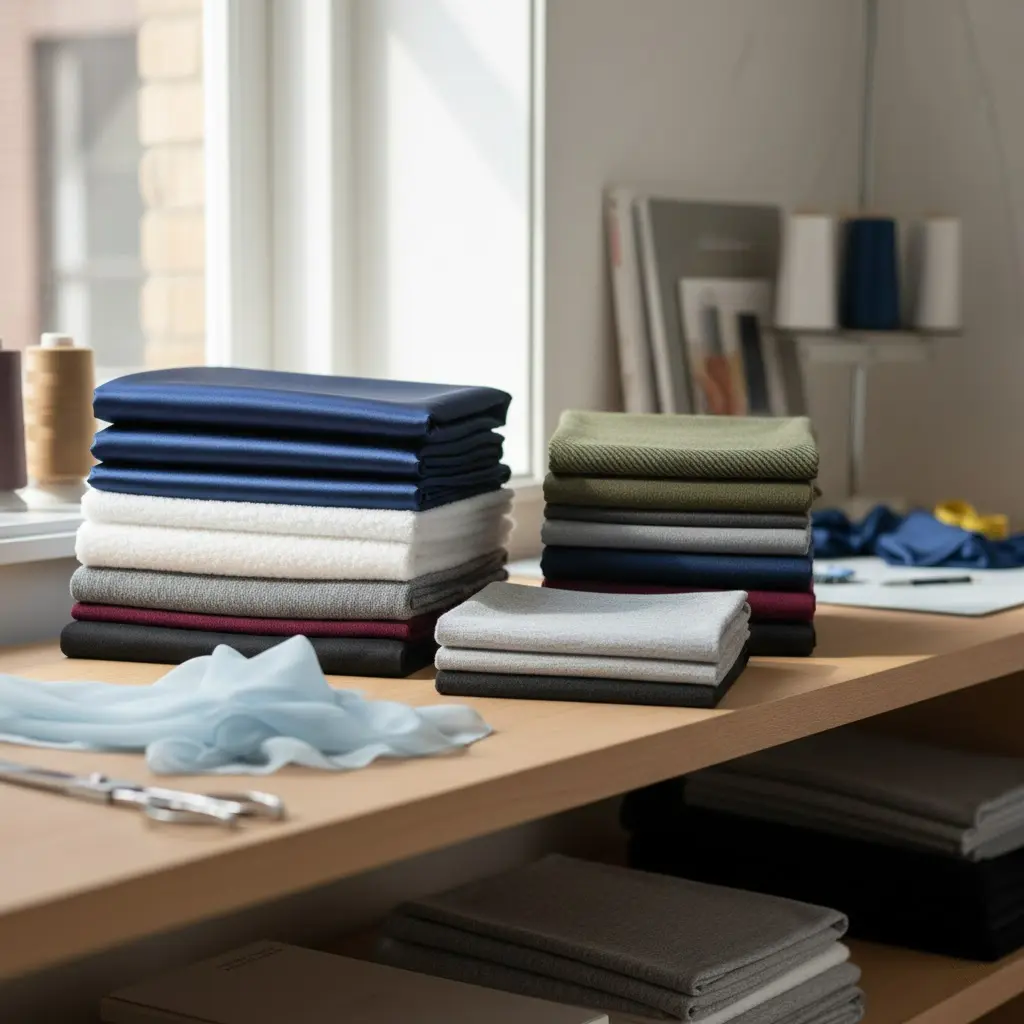
Iron polyester on the lowest setting with a press cloth between the iron and fabric. Never apply a hot iron directly to polyester without protection the fiber melts at relatively low temperatures compared to natural fibers. Store polyester fabric folded or on a bolt in a cool, dry area away from direct sunlight to prevent long-term color degradation.
| Care Step | Recommended | Avoid |
|---|---|---|
| Washing | Cool or warm machine wash | Hot water |
| Drying | Low heat tumble dry | High heat |
| Ironing | Low setting with press cloth | Direct high heat |
| Storage | Cool dry area | Direct sunlight |
| Stain removal | Mild detergent spot clean | Bleach on colored polyester |
Polyester is made from polyethylene terephthalate, a synthetic polymer from petroleum. It is melted and pushed through tiny holes to create fibers that are woven or knit into fabric.
It depends on the type. Performance polyester and microfiber are durable and long-lasting. Budget broadcloth is more basic but still works fine for craft and simple apparel projects.
Barely. Polyester is shrink-resistant because it does not absorb water like cotton does. High dryer heat is the main cause of any shrinkage.
No, standard polyester traps heat and does not absorb moisture. Performance and microfiber polyester have moisture-wicking properties that help during exercise but it still runs warmer than cotton.
Yes, but only on a low synthetic setting with a press cloth between the iron and fabric. Direct high heat melts polyester permanently.
Yes if it has the right abrasion rating. Look for at least 15,000 Wyzenbeek double rubs for home use and 30,000 for commercial furniture.
Activewear, leggings, dancewear, and fitted costumes. The spandex adds stretch and recovery so the fabric moves with the body.
Polyester that is brushed on both sides for extra softness. Popular for loungewear and pajamas because of how soft it feels against skin.
Universal size 70/10 or 80/12 for woven polyester. Ballpoint or stretch needle for polyester spandex and jersey.
Amazon has the widest online selection. Michaels, Hobby Lobby, and Walmart also carry it in store and online.
Yes, across multiple departments including apparel, fleece, satin, and outdoor fabric. After store closures it is now available through online retailers.
Polyester is fully synthetic and more durable. Rayon is semi-synthetic, more breathable, but shrinks easily and wears out faster.
Bulky Yarn at JOANN: Weight 5 Yarn Types, Brands, Projects and Buying Guide (2026) Bulky yarn is one of the
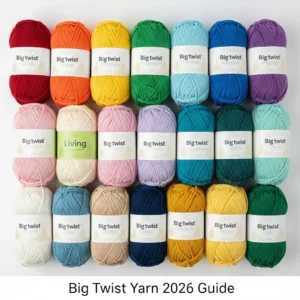
Big Twist Yarn: Complete Guide to Joann’s Exclusive Value & Premium Lines Finding affordable yarn that doesn’t sacrifice quality feels

Faux Fur Fabric at JOANN: Complete Types, Pile Heights & Buying Guide (2026) Faux fur fabric is a synthetic pile