Caron Cake Yarn: Complete Guide to Self-Striping Colors, Patterns & Project Ideas
Caron Cake Yarn: Complete Guide to Self-Striping Colors, Patterns & Project Ideas Caron Cake Yarn transformed how crafters approach color
 Skip to content
Broadcloth is a tightly woven cotton fabric with a smooth flat surface made from fine warp yarn and fine weft yarn crossed in a plain weave. It is one of the most popular lightweight woven fabrics for dress shirts, school uniforms, blouses, and beginner sewing projects. JOANN Fabrics carried cotton broadcloth fabric by the yard in both solid color fabric and printed broadcloth across the apparel and craft sections of the fabric department, stocked on large bolts in the JOANN cotton aisle alongside other shirting fabric options.
After widespread store closures and restructuring in 2025, searches for broadcloth fabric joann and joann fabrics broadcloth moved online. This guide covers every broadcloth type, how to choose the right one, beginner tips, project ideas, care instructions, pricing, and where to buy broadcloth fabric by the yard today through the full joann fabrics fabrics collection.
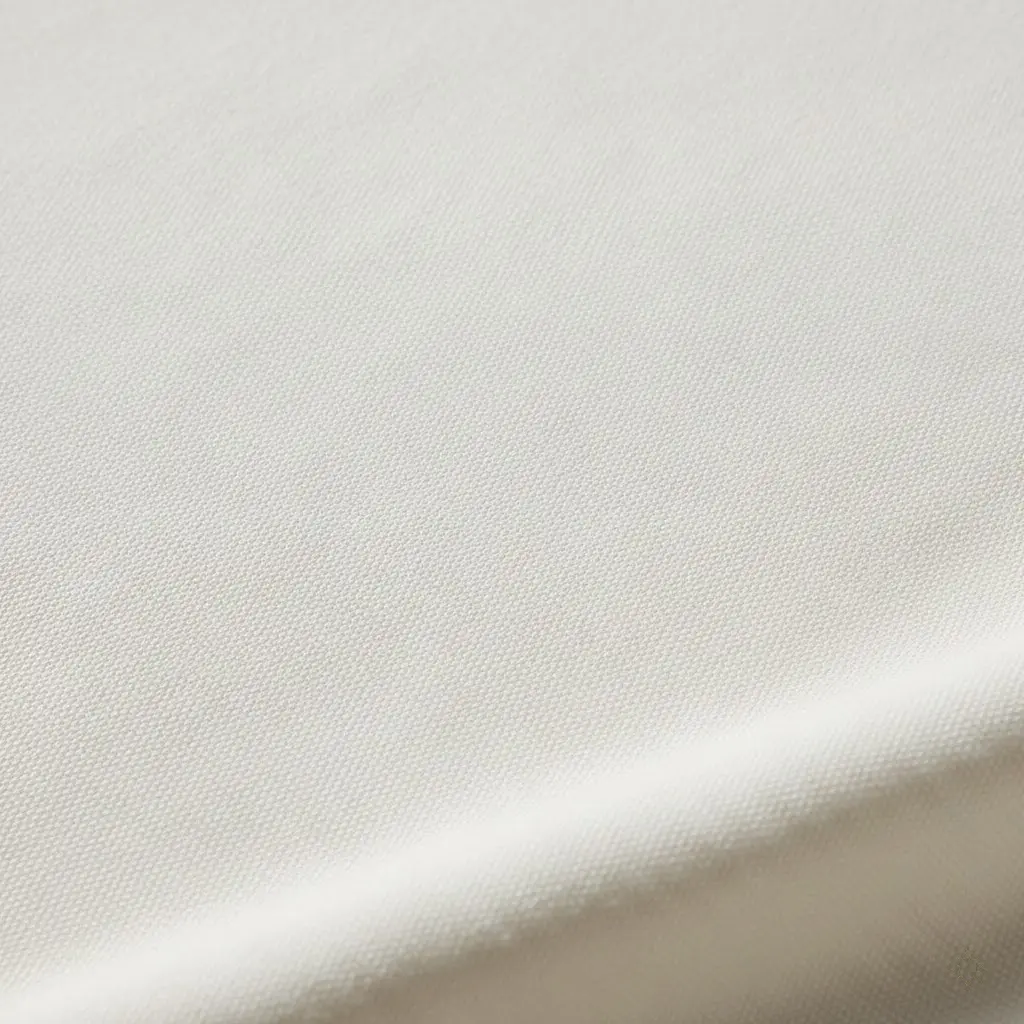
Broadcloth is a plain weave fabric built from fine warp yarn running lengthwise and fine weft yarn running crosswise at a high thread count cotton density. That tightly woven cotton construction creates a smooth fabric surface with a slight horizontal rib and almost no visible texture. It is almost always 100 percent cotton or a cotton-polyester blend.
The name came from the original looms that wove this fabric wider than standard, giving it the bolt width 44 to 60 inches still common today. Broadcloth is classified as a shirting fabric because it was first developed for dress shirt fabric production. In the JOANN fabric department, broadcloth bolts were organized in the apparel fabric section alongside poplin, lawn, and chambray.
Broadcloth crosses apparel, craft, and home projects in a way few fabrics can. Its stable weave, breathable cotton fabric construction, and colorfast fabric surface make it useful across a wide range of projects from beginner to advanced.
Common uses include:
Cotton fabric for décor including fabric-covered frames and decorative panels
| Type | Fiber Content | Weight | Best Use | Beginner Friendly |
|---|---|---|---|---|
| 100% cotton broadcloth | Cotton | Light | Shirts, blouses, uniforms | Yes |
| Cotton-poly broadcloth | Cotton-polyester blend | Light | Uniforms, craft | Yes |
| Printed broadcloth | Cotton or blend | Light | Quilting backs, costumes, craft | Yes |
| Solid color broadcloth | Cotton or blend | Light | Apparel, table linens, décor | Yes |
| Preshrunk broadcloth | Cotton | Light | Garments needing wash stability | Yes |
| Stretch broadcloth | Cotton-spandex blend | Light-medium | Fitted blouses, activewear | Medium |

Pure cotton broadcloth is the most breathable option in this category. It has a natural fabric hand that feels soft and smooth against skin, making it the top choice for dress shirt fabric and children’s clothing fabric. It is fully machine washable cotton and one of the most colorfast fabric options for apparel sewing.
Cotton-poly blends add wrinkle resistance to the natural cotton construction. A 65/35 blend keeps most of the breathability of pure cotton while cutting down on wrinkling after washing. This is the most common version for school uniform fabric because it comes out of the dryer looking presentable without ironing.
Printed broadcloth has patterns or designs printed directly onto the smooth fabric surface. The tightly woven cotton accepts printing very cleanly, which is why printed broadcloth shows sharper detail than textured fabrics like canvas or twill. JOANN stocked it in seasonal prints, novelty characters, and classic patterns like stripes, florals, and geometrics as part of its rotating seasonal fabrics display.
Solid broadcloth is the workhorse of the category. It works across every application from apparel to table linens to fabric for appliqué because the flat colorfast surface works with other design elements instead of competing with them. JOANN stocked solid broadcloth in dozens of colors year-round with seasonal additions in the fabric bolts display every spring and fall.
Preshrunk cotton broadcloth has been washed before selling to remove most of the shrinkage that happens in raw cotton. Buying preshrunk means the fabric is dimensionally stable when it arrives, which removes the pre-wash step before cutting. If the broadcloth you are buying is not labeled preshrunk cotton, always wash and dry it before cutting.
Stretch broadcloth adds spandex to the cotton base for two-way or four-way stretch. This version works for fitted blouse fabric and form-fitting garment styles where traditional woven cotton has no give. Stretch broadcloth needs a stretch stitch or narrow zigzag when sewing seams.
Broadcloth has one of the smoothest fabric hands of any woven cotton. Running your hand across it feels flat and consistent with almost no texture variation. It is not stiff or scratchy and sits comfortably against skin in all-day wear. This is why broadcloth was a staple inside the JOANN Fabrics apparel section customers could feel the difference between broadcloth and rougher cottons immediately at the bolt.
The fabric drape of broadcloth is moderate. It hangs cleanly from the shoulder in garments without pulling or bunching. The fabric opacity of standard broadcloth is fairly high for a lightweight woven fabric, which means most broadcloth blouses and shirts do not need lining fabric added purely for coverage. When shopping in-store, the JOANN fabric department kept sample lengths at the cutting counter so customers could check both drape and fabric opacity before committing to a full fabric yardage cut.
For garments worn against skin, choose 100 percent cotton broadcloth for its breathable cotton fabric properties and natural comfort. For school uniforms, a cotton-poly blend reduces ironing time and adds wrinkle resistance without sacrificing washability. At the JOANN cutting counter, staff regularly helped customers choose between pure cotton and blend options based on project needs solid colors for uniforms, printed broadcloth for craft and costume projects.
For heat transfer vinyl compatible fabric projects, both cotton and cotton-blend broadcloth work well at standard pressing temperatures. Avoid stretch broadcloth for HTV because spandex can react poorly to high heat. For quilting backings, choose 44-inch width for standard quilts or 60-inch width to minimize piecing seams on the back. For more quilting-specific fabric guidance, see the quilt fabric guide.
The selvedge edge runs along both long edges of the fabric bolt and is the self-finished edge that does not fray. It often shows the manufacturer name, colorway numbers, care symbols, and bolt width. Always align pattern pieces parallel to the selvedge edge using the fabric grainline to ensure finished garments hang and wash correctly.
Cutting on the grainline keeps finished garments hanging straight and washing without distortion. Pieces cut off-grain twist and pull after washing no matter how carefully they were sewn. In broadcloth, the bias grain at 45 degrees has the most give and works well for binding strips and curved appliqué pieces.

Broadcloth is one of the best beginner sewing fabric choices because it cuts cleanly, presses easily, and behaves predictably on the machine. Many first-time sewers started with broadcloth specifically because it does not slip, fray excessively, or require special tools to work with.
Skipping the prewash step is the most common broadcloth mistake. Many beginners cut and sew a full project then wash it and find it has shrunk unevenly because the grainline distorted during washing. Preshrinking takes an hour but saves the entire project.
Using the wrong needle and stitch length causes skipped stitches and puckered seams in this lightweight woven fabric. A dull or wrong-size needle pushes fibers aside instead of piercing cleanly between the high thread count cotton threads, creating visible distortion in finished seams. Always test on a scrap piece of the same broadcloth before sewing the actual project.
Confusing broadcloth with heavier cottons like canvas or denim creates project failures from the start. Broadcloth is a lightweight woven fabric not suited for bags, structured outerwear, or furniture. For upholstery vs apparel fabric guidance, broadcloth belongs firmly in the apparel and light craft category. For furniture-grade projects, see the upholstery fabric guide.
| Broadcloth Type | Price per Yard | Difficulty Level |
|---|---|---|
| Cotton-poly broadcloth | $3 to $6 | Easy |
| 100% cotton broadcloth | $4 to $8 | Easy |
| Printed broadcloth | $5 to $10 | Easy |
| Stretch broadcloth | $7 to $12 | Medium |
| Premium preshrunk broadcloth | $6 to $10 | Easy |
JOANN priced broadcloth as one of its most affordable fabrics across the entire fabric department. The biggest broadcloth fabric sale events happened during back-to-school season in July and August when school uniform fabric demand peaked. The JOANN cutting counter handled large volumes of fabric yardage during these sales with customers buying multiple yards in matching solid colors for uniform projects.
Weekly JOANN coupons of 40 to 50 percent off brought cotton broadcloth fabric by the yard below $3 regularly. The JOANN remnant bins were one of the best sources for short cuts of printed broadcloth at further reduced prices, ideal for appliqué and small craft projects. JOANN also ran broadcloth fabric sale events in October and November tied to Halloween and holiday crafting, discounting seasonal prints 30 to 40 percent. The same broadcloth is now available online at comparable prices through Amazon and independent online fabric retailers.
Quilting backing fabric as a quilting cotton alternative for baby quilts and throw quilts where a lighter smoother back is preferred

| Fabric | Weave | Weight | Texture | Best Use | Machine Washable |
|---|---|---|---|---|---|
| Broadcloth | Plain | Light | Smooth | Apparel, craft, linens | Yes |
| Muslin | Plain | Light-medium | Slightly rough | Prototypes, backings | Yes |
| Quilting cotton | Plain | Light | Slightly textured | Quilting, craft | Yes |
| Poplin | Plain | Light | Fine rib | Shirts, dresses | Yes |
| Cotton canvas | Plain | Heavy | Rough, stiff | Bags, outerwear | Yes |
| Linen | Plain | Medium | Slubbed | Summer apparel, decor | Yes, careful |
| Flannel | Twill or plain | Medium | Brushed, soft | Pajamas, winter apparel | Yes |

Broadcloth sits close to poplin in weight but has a smoother surface because of its higher thread count and more uniform warp and weft construction. Compared to muslin fabric, broadcloth is more colorfast, more polished in finished projects, and better suited to garments that need a clean professional appearance. Compared to cotton canvas fabric, it is dramatically lighter and used for completely different applications. For a direct comparison of these cotton types in the fabrics collection, see the cotton fabric guide.
Broadcloth was one of JOANN’s highest-volume fabric categories because it served so many different customers at once. The JOANN fabric department organized broadcloth bolts by color family with solid colors together and printed broadcloth in its own nearby section. The JOANN cutting counter handled enormous fabric yardage volume especially during back-to-school season when teachers, parents, and craft buyers all purchased at the same time. This made broadcloth one of the most consistent performers across the entire JOANN Fabrics apparel section year after year.
JOANN stocked both pure cotton and cotton-poly broadcloth to serve different budget points and project needs. The private label cotton sat alongside national fabric brands and gave customers an affordable entry-level option. JOANN weekly coupons of 40 to 50 percent off and remnant bin pricing made broadcloth one of the most accessible fabrics in the entire fabrics collection, and online yardage ordering let customers reserve fabric in specific colors before driving to the store.
| Feature | JOANN Historical | Michaels | Hobby Lobby |
|---|---|---|---|
| Broadcloth selection | Very wide, solid and printed | Very limited | Moderate |
| Color range | 40-plus solids and seasonal prints | Minimal | Basic solids |
| Licensed character broadcloth | Yes, extensive | No | Limited |
| Private label cotton | Yes | No | Yes |
| National fabric brands | Yes | Limited | Yes |
| Preshrunk options | Yes | Rarely | Occasionally |
| Cotton-poly blend | Yes | Rarely | Yes |
| Price per yard | $3 to $8 | Higher | $3 to $7 |
| Coupon culture | 40 to 50% weekly | Occasional | 40% weekly |
| Fabric cutting counter | Yes, full service | No | Yes, limited |
| Post-closure access | Amazon fabric marketplace | In-store limited | In-store |
JOANN had the deepest broadcloth selection of any major craft chain by a significant margin. The variety of solid colors, seasonal prints, and licensed character broadcloth available at JOANN had no match at Michaels. Hobby Lobby carries basic broadcloth through its cotton aisle but does not match the printed selection depth that JOANN maintained. Amazon fabric marketplace now offers the widest online broadcloth selection with customer reviews that help evaluate color accuracy and fabric hand before buying.
JOANN organized broadcloth in the apparel fabric section alongside other shirting fabric options like poplin, lawn, and chambray. Solid bolts were sorted by color family making it easy to match colors for uniform projects. Printed broadcloth had its own section organized by theme including seasonal, novelty, and children’s character prints.
The JOANN cutting counter staff cut broadcloth accurately on the fabric grainline, which mattered for customers buying multiple yards in matching colors for uniform projects. Sample swatches were available for comparing colors under store lighting before committing to full fabric yardage. Many customers searching joann fabrics near me during school season were specifically looking for stores with their uniform color still available on the fabric bolts display
Following widespread store closures and restructuring in 2025, broadcloth fabric is no longer available at physical JOANN locations. The same cotton broadcloth fabric joann customers relied on for apparel, uniforms, table linens, and craft projects is now available through Amazon, Hobby Lobby, and online fabric retailers. This site serves as a reference and buying guide for everything JOANN carried and where to find it today.
Amazon carries the widest current selection of broadcloth fabric by the yard including 100 percent cotton, cotton-poly blends, printed broadcloth, solid colors, and preshrunk options across multiple price points. Customer reviews help evaluate color accuracy, colorfast fabric performance, and fabric hand before buying.
Broadcloth is one of the easiest fabrics to care for in the apparel and craft category. Machine washing on a normal or gentle cycle in cool to warm water keeps color and construction intact. For 100 percent cotton broadcloth, avoid hot water to prevent shrinkage and color fading over time.
Tumble dry on medium heat and remove promptly to reduce wrinkling. Cotton broadcloth wrinkles more than blended versions because it lacks the wrinkle resistance that polyester adds to a cotton-poly blend, and may need a quick press after drying. Store finished garments folded or hung both methods work well for this stable lightweight woven fabric.
| Broadcloth Type | Washing | Drying | Pressing | Storage |
|---|---|---|---|---|
| 100% cotton broadcloth | Machine wash cool | Tumble dry medium | Cotton iron | Fold or hang |
| Cotton-poly broadcloth | Machine wash warm | Tumble dry medium | Warm iron | Fold or hang |
| Printed broadcloth | Machine wash cool inside out | Tumble dry low | Warm iron | Fold |
| Stretch broadcloth | Machine wash cool gentle | Air dry or low heat | Warm iron with care | Fold |
| Preshrunk broadcloth | Machine wash cool | Tumble dry medium | Cotton iron | Fold or hang |

A tightly woven plain weave cotton fabric with a smooth flat surface, used for dress shirts, uniforms, blouses, and craft projects.
Yes, it works well as a quilting backing fabric because its smooth stable weave creates a clean lightweight layer.
Broadcloth has a smoother flatter surface while poplin has a slight horizontal rib both are shirting fabrics but broadcloth feels more refined.
A lightweight plain weave shirting fabric made from fine cotton or cotton-poly yarns with a smooth machine washable surface.
Yes, JOANN stocked broadcloth in solid colors and printed versions at the cutting counter in bolt widths of 44 to 60 inches.
Yes, JOANN carried both private label and national brand options with cotton-poly blends offering wrinkle resistance and pure cotton offering the best breathability.
Yes, it was a core year-round fabric stocked in solid colors, printed versions, preshrunk cotton, and cotton-poly blends.
JOANN broadcloth had a smoother flatter surface while poplin had a slight texture from heavier weft yarns.
Yes, it cuts cleanly, sews predictably, and presses easily on any basic home machine without special adjustments.
Most apparel broadcloth runs 44 to 45 inches wide and wider home décor versions run 58 to 60 inches.
Use a universal needle size 70/10 or 80/12 for standard broadcloth and a stretch needle 75/11 for stretch broadcloth.
Caron Cake Yarn: Complete Guide to Self-Striping Colors, Patterns & Project Ideas Caron Cake Yarn transformed how crafters approach color
Flannel Fabric JOANN: Cotton Flannel Uses, Quilting & Buying Guide (2026) Flannel fabric was one of the softest and warmest

Craft Paint at JOANN: Types, Uses and Complete Buying Guide (2026) Craft paint is one of the most versatile supplies